
Overwatch 2 support main experience reveals the emotional cost and unique challenges of the thankless support role in 2026's competitive scene.
As I queue up for another match in Overwatch 2, I'm greeted with the now-familiar "estimated wait time: 30 seconds." It's 2026, and four years after the game's launch, being a support main still feels like being part of an endangered species. While my damage-dealing friends continue to face queue times upwards of 7 minutes, I can practically snap my fingers and find myself in a match. This convenience, however, comes at a considerable emotional cost.
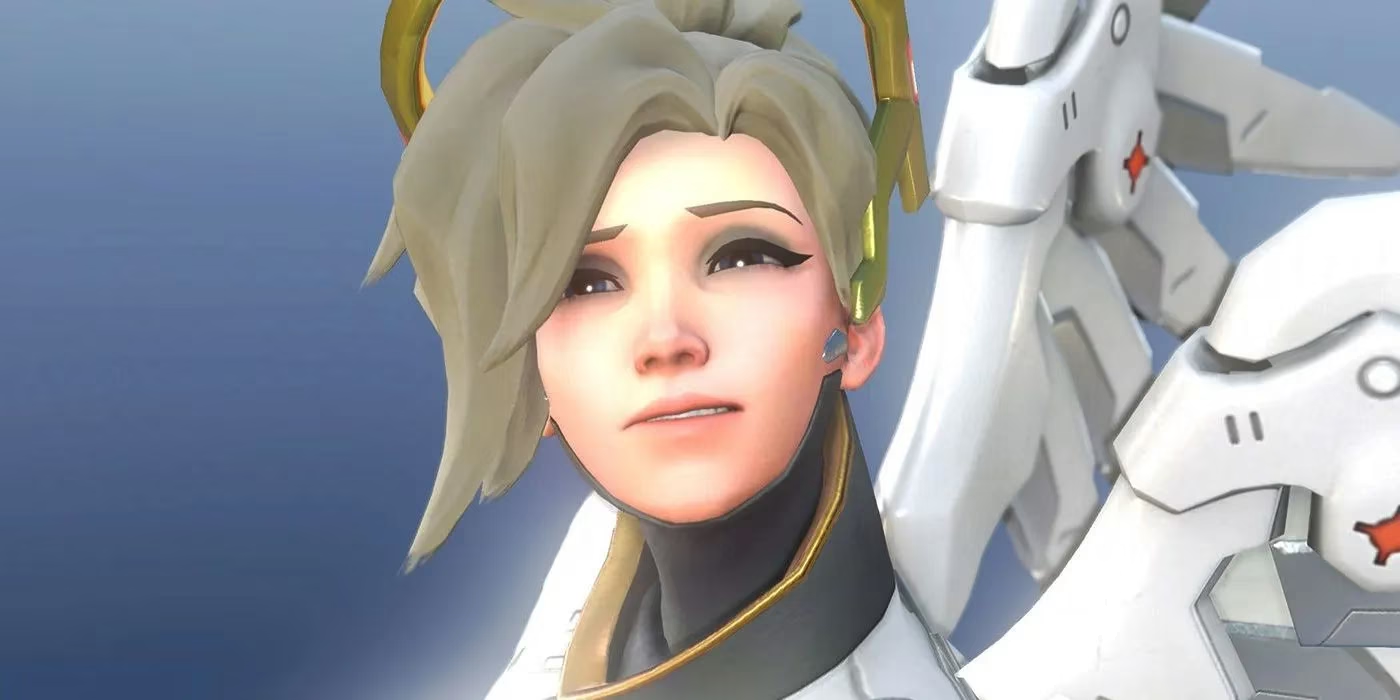
The current roster boasts 12 support heroes, 21 damage heroes, and 14 tanks, maintaining the imbalance that has existed since the early days. Despite Blizzard's promises to prioritize support hero development, the damage category continues to receive the lion's share of new additions. The 1-2-2 role queue system implemented years ago hasn't solved the fundamental problem: nobody wants to play support.
The Thankless Job
Last night, I played a particularly grueling match on Ilios. Our Genji repeatedly dashed into the enemy backline, miles away from any potential healing I could provide as Mercy. After each inevitable death, the chat would light up:
"Need healing!"
"Healers diff"
"Support useless"
I wanted to scream into my microphone, "I can't heal you through walls!" Instead, I took a deep breath and continued focusing on the teammates who understood positioning. This scenario has played out thousands of times across my support career.
The pressure of being a support player is immense. We're expected to:
-
Keep everyone alive through impossible damage
-
Maintain perfect positioning
-
Track enemy ultimates
-
Make game-changing plays
-
And somehow do it all without recognition
The Evolution of Support Play
To be fair, Blizzard has made efforts to improve the support experience. The 2024 "Support Renaissance" update introduced more self-healing capabilities and mobility options for support heroes. Kiriko, who was once considered revolutionary for her wall-climbing ability, now seems quaint compared to newer supports like Indra (added in 2025) with her teleportation network.
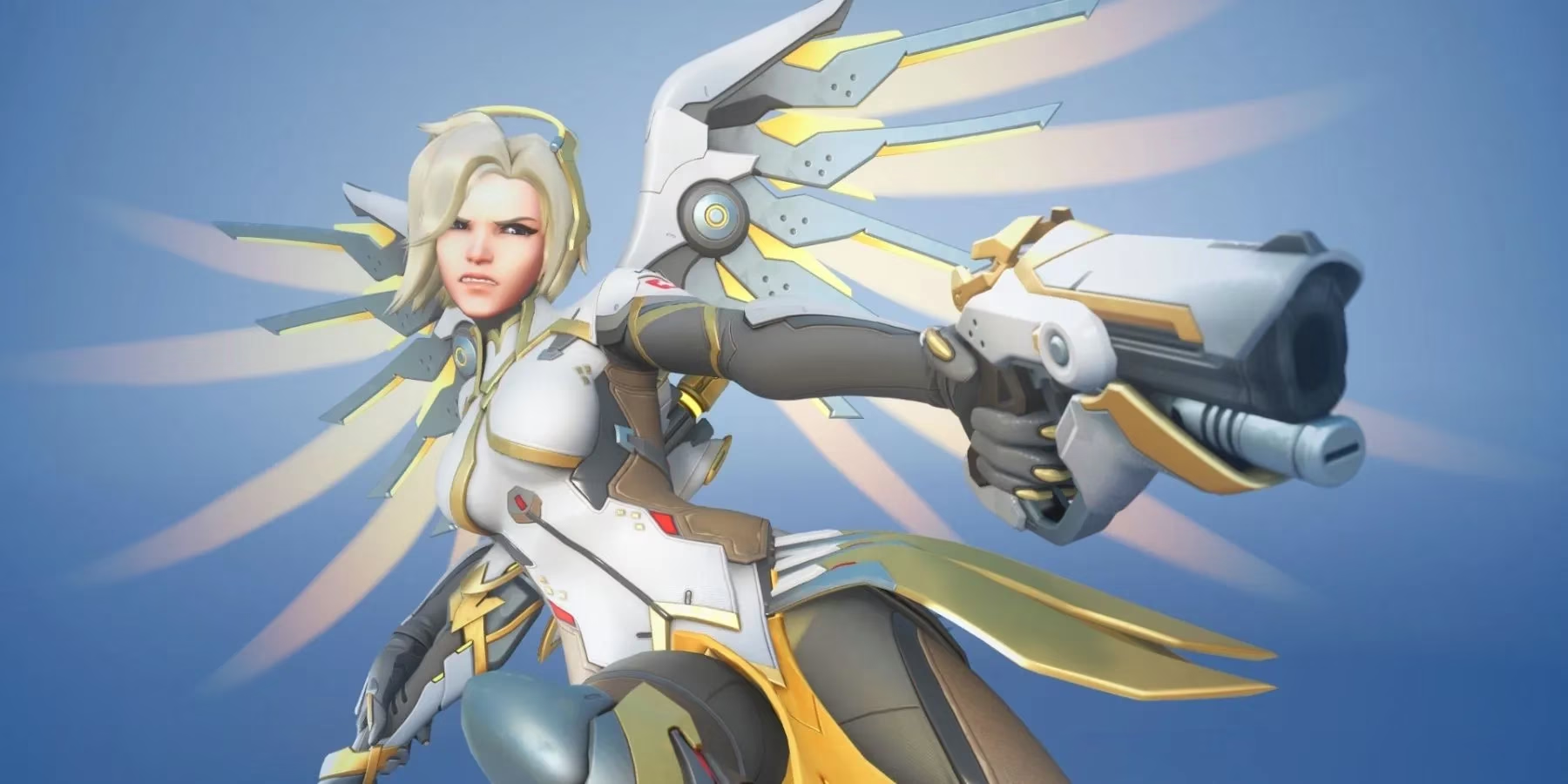
The support role has evolved from pure healing to utility-focused playmaking. Modern support heroes can now:
-
Create space for teammates
-
Deny enemy ultimates
-
Provide crucial buffs/debuffs
-
Secure eliminations
-
Navigate the map with unprecedented mobility
Yet despite these improvements, the fundamental social dynamics haven't changed. The machine learning system designed to flag toxic chat has proven inadequate against the creativity of frustrated players determined to blame their supports.
Finding Joy in the Struggle
Despite everything, I still love playing support. There's something deeply satisfying about keeping a team alive through a coordinated enemy assault. When I land a sleep dart on an ulting Reaper or time a transcendence perfectly to counter a graviton surge, I feel like the true MVP—even if the post-match cards and voting rarely reflect it.
I've found my home among a small community of support mains who understand the unique challenges we face. We share strategies, celebrate each other's achievements, and occasionally vent about particularly toxic encounters. This camaraderie has kept me going through four years of being the unappreciated backbone of countless teams.
The Rare Perfect Team
Once in a while—perhaps once every fifteen matches—I find myself on a team that understands how to work with their supports. Tanks create space and protect us, damage players take advantageous positions, and everyone coordinates ultimates. These matches remind me why I fell in love with Overwatch in the first place.
Yesterday, I experienced one of these unicorn matches. Our Reinhardt constantly checked my position before charging, our Soldier set up on high ground within my line of sight, and our Sombra actually peeled for me when a Tracer was harassing our backline. We steamrolled the enemy team, and to my shock, received three endorsements afterward.
These moments are worth the struggle. They're worth enduring the "diff" comments and the endless requests for healing from players who refuse to acknowledge line-of-sight limitations.
Looking Forward
As we move deeper into 2026, I'm cautiously optimistic about the future of support play in Overwatch 2. Rumors of a comprehensive role rebalance suggest Blizzard is finally addressing the systemic issues that have plagued the game since launch. The proposed "Support Impact Score" system might finally give tangible recognition to the work we do beyond raw healing numbers.
In the meantime, I'll continue to queue up, knowing I'll get into matches quickly and face the same old challenges. I'll celebrate the small victories—the life-saving sleeps, the clutch resurrections, the perfectly timed immortality fields—even when no one else notices.
To my fellow support players: stay strong. We may be unsung heroes, but we know our worth. And to everyone else: next time you're tempted to spam "I need healing" after overextending, remember that your support players are trying their best in a role few are willing to play.
Now, if you'll excuse me, my queue just popped. Time to be blamed for another loss or silently contribute to another victory. Just another day in the life of an Overwatch 2 support main. 💉🛡️