
Overwatch 2's decline, from hero shooter sensation to one of Steam's worst-rated games, is a cautionary tale of broken promises and lost trust.
The once-celebrated hero shooter Overwatch 2 continues its downward spiral in 2026, marking nearly four years since its controversial Steam debut that earned it the dubious distinction of being one of the platform's worst-rated titles. While the game isn't objectively the worst gaming experience available, its journey from industry darling to cautionary tale represents one of gaming's most spectacular falls from grace in recent memory.
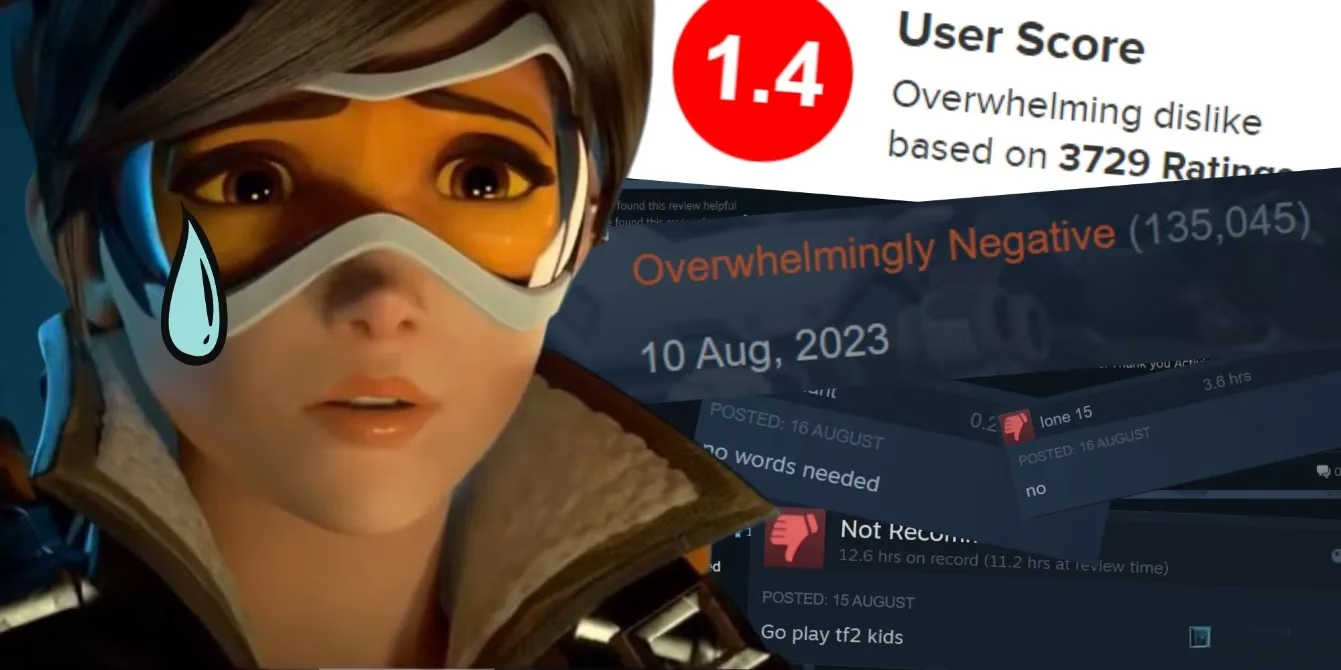
What makes Overwatch 2's situation particularly tragic isn't that it's unplayable—many players still find moments of enjoyment in its polished mechanics—but rather how it systematically betrayed the trust of its community through a series of broken promises and anti-consumer practices. Isn't this exactly what players feared when Activision-Blizzard announced the sequel would replace the original game entirely?
The Golden Era and Its Decline
The original Overwatch launched to universal acclaim in 2016, winning Game of the Year and revolutionizing the team-based shooter genre. It offered a perfect balance of accessibility and depth, with heroes that appealed to various playstyles and skill levels. The game's colorful cast of characters captured players' imaginations and created a cultural phenomenon.
However, the seeds of destruction were planted early. The developers' decision to balance the game around professional Overwatch League play alienated casual players. Heroes beloved by average gamers were nerfed to appease the top 1% of players, while the Overwatch League itself has since collapsed under controversies and legal battles.
A Sequel of Broken Promises
When Overwatch 2 was announced, it promised:
-
A comprehensive single-player campaign
-
New talent trees for heroes
-
Preservation of the original game's spirit
-
A free-to-play model that would respect players' time and money
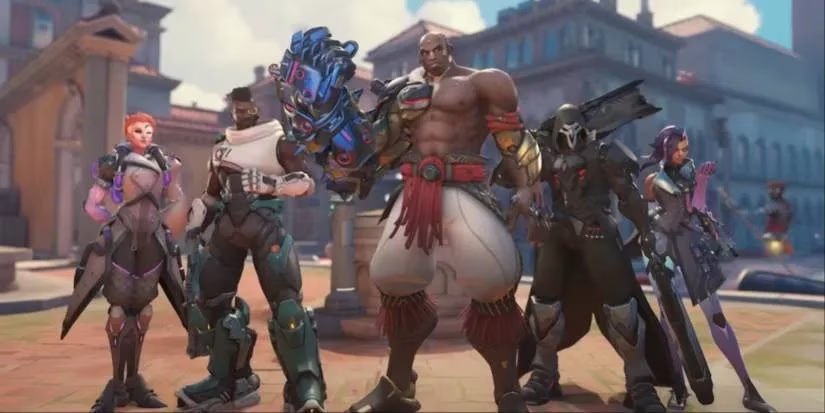
What players received instead was essentially a patch disguised as a sequel. The promised single-player campaign—the primary justification for creating a sequel—was first delayed, then gutted, and finally parceled out as paid DLC. Most shocking was the revelation that developers knew approximately 18 months before launch that they couldn't deliver on their campaign promises, yet continued marketing the game as if they could.
The Current State in 2026
Looking back from 2026, has anything improved? The answer is a resounding no. Despite four years of updates and patches, Overwatch 2 remains a shadow of what was promised. The game's economy continues to be predatory, with cosmetics priced at levels that make the original game's loot box system seem generous by comparison.
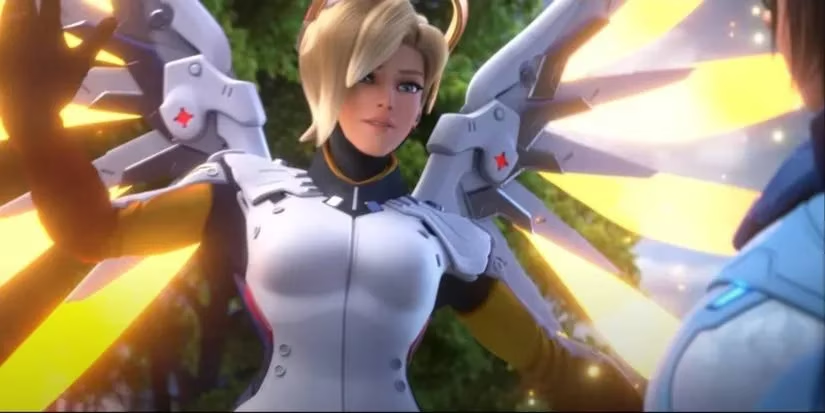
The 5v5 format, which replaced the original's 6v6 battles, still feels unbalanced despite countless hero reworks. Characters like Doomfist, who underwent complete transformations from DPS to Tank, have never quite found their footing. Mercy, once the most beloved support hero, has been reworked so many times that veteran players barely recognize her gameplay.
New heroes introduced since launch have failed to capture the magic of the original cast. While some, like Kiriko, showed initial promise, their rushed backstories and inconsistent abilities reflect the game's overall lack of direction and cohesion. The Push game mode, once touted as a revolutionary addition, has devolved into chaotic deathmatches that lack strategic depth.
The Community Response
The Steam user reviews remain overwhelmingly negative in 2026, serving as a digital warning sign to potential new players. But are these reviews simply the work of disgruntled fans, or do they represent legitimate criticism?
Consider these facts:
-
⚠️ The promised single-player content was known to be undeliverable 18 months before launch
-
⚠️ The original game was completely replaced, with no option to return to the 6v6 format
-
⚠️ Cosmetics that once took hours to earn now require weeks or significant financial investment
-
⚠️ Ranked play remains fundamentally broken after years of "improvements"
When a game actively removes content players already paid for, replaces it with an inferior product, and then charges for features that were promised as part of the base package, is outrage not justified?
The Legacy of Betrayal
What makes Overwatch 2's story particularly tragic is how unnecessary it all was. The original game had a dedicated community, a successful esports scene (before corporate mismanagement), and a sustainable business model. The decision to scrap everything for a sequel that offered less content while demanding more money represents one of gaming's most perplexing business decisions.

Many veteran players have returned to older titles like Team Fortress 2, which despite its age offers a more consistent and honest experience. Others have moved on to newer hero shooters that learned from Overwatch's mistakes rather than repeating them.
A Warning to the Industry
As we look back on Overwatch 2's journey from 2022 to 2026, the game stands as a monument to corporate hubris and the dangers of prioritizing short-term profit over player trust. What could have been a celebration of everything that made the original special instead became a cautionary tale.
How many more beloved franchises will follow this path before publishers learn that players value honesty and respect more than flashy trailers and empty promises? When will developers realize that maintaining player trust is not just ethically sound but also good business?
Overwatch 2 isn't the worst game on Steam—it's something far more insidious: a mediocre replacement for a once-great game, a promise unfulfilled, and a reminder that even the brightest stars in gaming can be extinguished by greed and mismanagement.
For those still enjoying the game in 2026, more power to you. But for new players considering jumping in, the overwhelming negative reviews aren't spite—they're a service, warning others not to expect the Overwatch of legend, but rather its hollow, commercialized ghost.