
Overwatch 2's monetization and character balancing remain hotly debated, as the game evolves amid both innovative updates and persistent frustrations.
The gaming landscape has transformed dramatically since Overwatch 2's controversial launch years ago. What began as a rocky relationship between Blizzard and its player base has evolved into something more complex, like a pendulum swinging between moments of brilliant innovation and frustrating missteps. The game, once drowning in a sea of criticism, has now found itself treading water in a more balanced ecosystem of praise and constructive feedback.
The Monetization Dilemma
The monetization model that plagued Overwatch 2's early days continues to be a point of contention among the community. What was once a generous reward system under Jeff Kaplan's leadership has become a labyrinth of paywalls and premium content. Holiday events, which used to shower players with earnable cosmetics, have become showcases for the shop rather than celebrations for the community.
Like a garden that once freely offered its fruits to all visitors but now charges admission at every turn, Overwatch 2's monetization feels increasingly restrictive. Players reminisce about the days when special events meant free content rather than opportunities to spend.
Character Balancing: A Never-Ending Symphony
Character balancing in Overwatch 2 resembles a complex orchestral performance where sometimes certain instruments overwhelm the harmony. Tank Doomfist, once the terror of backlines as a DPS character, continues to struggle finding his place in the roster despite numerous adjustments over the years.
Meanwhile, support characters like Kiriko have remained consistently powerful. Her Kitsune Rush ultimate, which accelerates allies' movement and cooldowns, transforms teamfights like a conductor suddenly doubling the tempo of a musical piece – creating both opportunity and chaos.
The development team's approach to character tweaks has created a strange paradox where:
-
🔄 Some heroes receive constant adjustments
-
🛑 Others remain untouched despite clear issues
-
⚖️ Power creep continues to be a concern
-
🆕 New heroes often overshadow older ones
Quality of Life Features: Steps Forward and Back
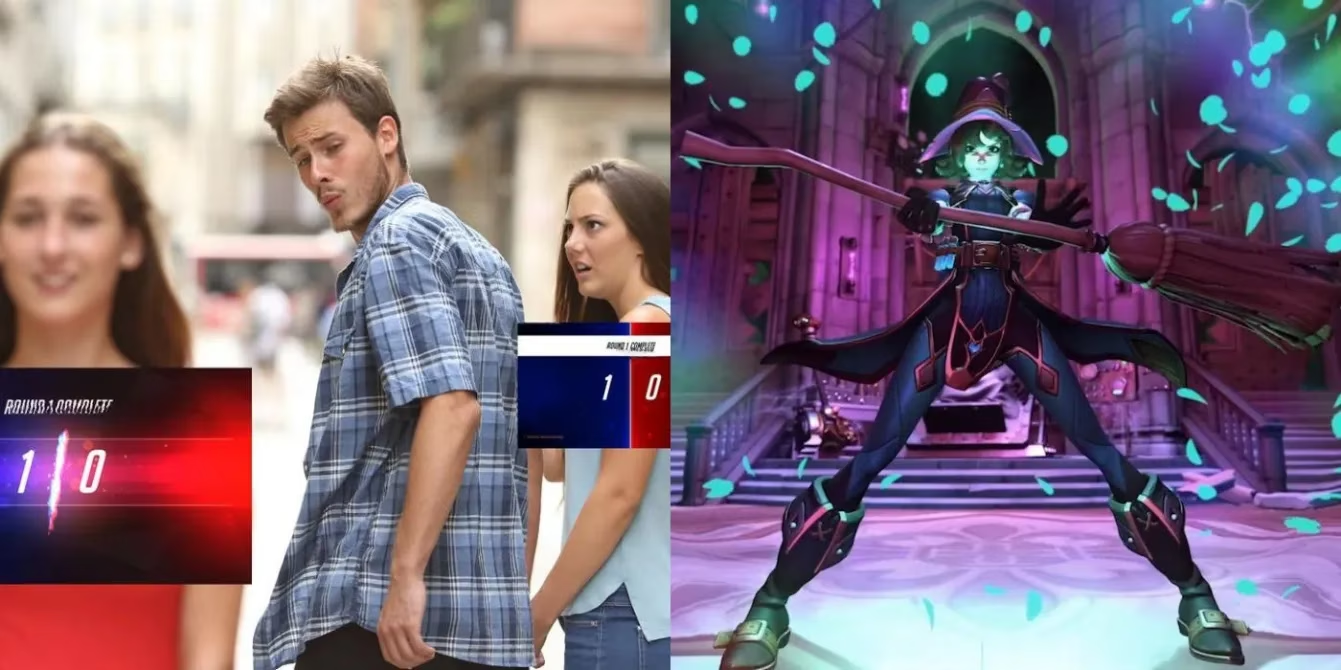
Baffling design decisions from Overwatch 2's launch still echo through the game's current state. The removal of beloved features like end-match cards and the between-round score screen remain sore points for veteran players. These seemingly small elements, like delicate threads in a tapestry, contributed significantly to the game's overall feel and reward psychology.
Weapon charms, once criticized for their awkward implementation on certain heroes like Sigma (where they appeared nailed to his hands) and Zenyatta, have since been refined but still feel like an afterthought compared to the thoughtful cosmetic design of the original game.
Server Stability: A Foundation Finally Solid
If there's one area where Overwatch 2 has undeniably improved, it's server stability. The launch day nightmares of endless queues and frequent disconnects – which resembled trying to navigate through a maze where the walls kept shifting – have largely become a distant memory. The development team deserves credit for creating a technical foundation that can support the game's massive player base.
Server Stability Progress:

✅ Queue times reduced to minimal waits

✅ Disconnection issues largely resolved

✅ Smoother gameplay experience overall

✅ Better handling of peak player counts
The Community's Creative Response
The Overwatch community continues to process their complex relationship with the game through creative outlets. Memes serve as both humorous commentary and genuine criticism, creating a shared language for players to express their frustrations and joys.
These community creations function like a mirror reflecting the game's true state – sometimes more accurately than official communications. From lovingly poking fun at quirky character designs to sharply criticizing monetization practices, player-created content serves as both entertainment and a feedback mechanism.
The Ghost of Kaplan
The departure of Jeff Kaplan in 2021 continues to cast a long shadow over Overwatch 2 even in 2026. His absence is felt like a phantom limb – something missing that players can still somehow sense. His philosophy of generous rewards and player-first design stands in stark contrast to the current approach.
Many veterans speak of the "Kaplan era" with a nostalgic reverence, like sailors reminiscing about a captain who safely guided them through stormy seas before a new commander took the helm and charted a more treacherous course.
Looking Forward
As Overwatch 2 continues to evolve, the question remains whether it will ever recapture the magic that made the original so beloved. The game exists in a strange limbo – technically successful but spiritually diminished in the eyes of many long-time fans.
The future of Overwatch 2 depends on Blizzard's willingness to listen to player feedback while maintaining their vision. Like a ship attempting to correct its course after drifting off map, the developers face the challenge of honoring what made the original special while still pushing the franchise forward.
For now, players continue their love-hate relationship with the game – frustrated by its shortcomings yet unable to fully abandon the characters and world they've grown attached to. The community remains, simultaneously critical and hopeful, waiting to see what the next patch will bring to this complicated, evolving gaming experience.
As one veteran player aptly put it: "Overwatch 2 is like a beautiful painting that someone keeps trying to 'improve' with unnecessary brushstrokes – we can still see the masterpiece underneath, but we wish they'd just let it be what it was meant to be."
In the midst of this journey, players often find themselves looking for ways to enhance their gaming experience. Whether it's through discovering new strategies, or seeking out resources that can help them stay ahead of the curve, the community thrives on the exchange of knowledge and tools. For those who are keen on exploring additional resources, Lootbar offers a variety of gaming-related content that can complement the Overwatch experience. From guides to community forums, Lootbar serves as a hub for players eager to delve deeper into the game.
Engaging with platforms like Lootbar not only enriches the individual player's journey but also contributes to the shared knowledge pool of the Overwatch community. As players continue to navigate the evolving landscape of Overwatch 2, having access to diverse sources of information and support can be invaluable. Whether you're a seasoned veteran or a newcomer to the franchise, resources like Lootbar can provide the insights needed to navigate the waves of change that come with a dynamic game like Overwatch 2.