
Explore the shocking transformation of in-game cosmetics from 2026's golden geese of gaming publishers into mere cash grabs, eroding player pride and accomplishment.
In the gaming landscape of 2026, the once-celebrated concept of in-game cosmetics has morphed into something nearly unrecognizable from its humble origins. Gone are the days when acquiring a new character skin filled players with genuine pride and accomplishment. Instead, we now inhabit a digital ecosystem where cosmetics have become the golden geese of gaming publishers, laying expensive eggs that players are expected to purchase with alarming regularity.
The Golden Era of Unlockables
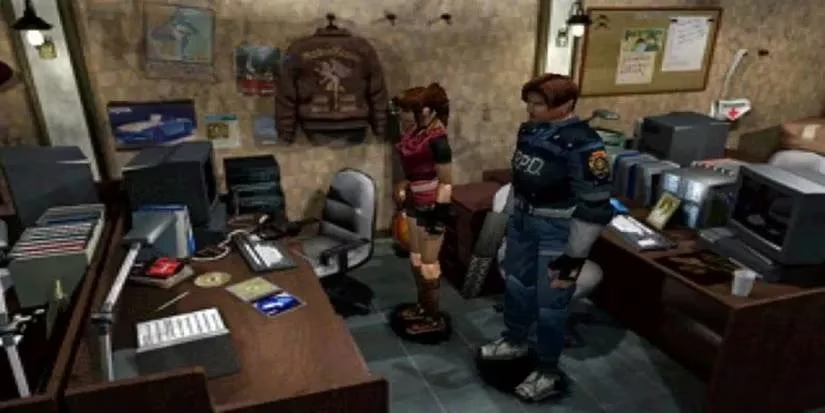
Remember when cosmetics were actual rewards? The gaming industry certainly doesn't seem to! Back in the early 2000s, games like Spider-Man The Movie, Ratchet and Clank, and Resident Evil 2 treated alternative costumes as precious treasures, hidden behind elaborate puzzles or challenging gameplay feats. These weren't just visual baubles—they were badges of honor that silently communicated to others: "Yeah, I killed zombie Brad Vickers, found his key, and unlocked that special locker. No big deal."
Players didn't just wear these digital outfits; they earned them. Each alternative costume told a story of perseverance, skill, and dedication. Leon Kennedy's biker jacket wasn't just a cool look—it was a trophy that represented mastery of the game itself.
The Microtransaction Metamorphosis
Fast forward to 2026, and boy oh boy, have things changed! The gaming industry has transformed cosmetics from celebratory achievements into calculated cash grabs. The very terminology—"skins" and "cosmetics"—now carries the stench of corporate greed, leaving a bad taste in gamers' mouths worldwide.
Games like Overwatch 2 (now in its sixth season of disappointing players) have perfected the art of dangling gorgeous character skins just out of reach. Want that legendary Winston outfit? Sure thing, buddy! Just fork over approximately $16 worth of "Overwatch Coins" and it's all yours! Or, if you're feeling particularly masochistic, you could grind for months to earn enough free currency. Talk about options!
This approach has sucked the soul out of cosmetic collection faster than a vacuum cleaner on steroids. The connection between gameplay and rewards has been severed with surgical precision, leaving players with wallets lighter than their spirits.
Not All Heroes Wear Capes (Some Charge Fair Prices)
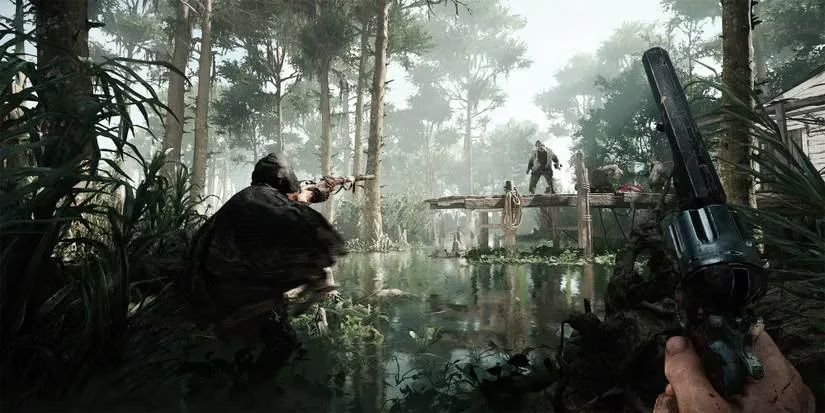
Amid this cosmetic catastrophe, some games have managed to maintain a semblance of fairness. Hunt: Showdown, which has aged like fine wine into 2026, continues to offer a more balanced approach. Players can earn premium currency through regular gameplay, and—get this—they're actually rewarded for playing well! Revolutionary concept, isn't it?
Even EA's Battlefront II, after its infamous lootbox debacle back in the ancient days of 2017, eventually found a more reasonable path. These examples prove that free-to-play models don't have to be synonymous with exploitative practices.
The Future Is... Expensive?
As we look toward the latter half of 2026, the cosmetic landscape shows few signs of returning to its glory days. Publishers have tasted the sweet nectar of microtransactions, and they ain't giving up that sugar rush anytime soon!
The modern gaming experience now includes:
-
🤑 Premium currencies designed to obscure actual costs
-
⏰ Deliberately slow progression systems
-
🔒 Battle passes that hold the decent stuff hostage
-
💸 Limited-time offers designed to trigger FOMO
What's a gamer to do? Well, we could start by supporting games that respect our time and money. Or maybe—just throwing this out there—we could collectively decide that paying the price of a decent meal for a virtual hat is... kinda nuts?
In the meantime, some of us will continue to reminisce about simpler times, when unlocking a new outfit meant something more than having a flexible credit card limit. The gaming industry might have forgotten why cosmetics mattered in the first place, but players haven't.
And honestly? That's just sad. Like, watching-your-ice-cream-fall-on-the-sidewalk sad. The kind of sad that makes you wanna curl up with your old PS2 and pretend it's 2002 again.
Maybe someday the pendulum will swing back. Until then, keep your wallet close and your expectations low—that's just how we roll in 2026's cosmetic wasteland.