
Arena shooters and FPS games have electrified the gaming world, evolving into adrenaline-fueled classics that define competitive play.
I've been gaming since I could hold a controller, and nothing gets my adrenaline pumping quite like arena shooters. In 2026, looking back at the evolution of this genre feels like tracing my own gaming DNA. These fast-paced, engagement-heavy games have shaped not just my gaming preferences but the entire FPS landscape. The enclosed maps, overpowered weapons, and objective-based modes create an intensity that's unmatched in gaming - you simply can't hide from the fight, and that's exactly why I love them.
The Classics That Started It All
Remember DOOM? Back in 1993, id Software dropped what would become the grandfather of arena shooters. While most people associate it with the single-player demon-slaying campaign, its multiplayer deathmatch mode was revolutionary.
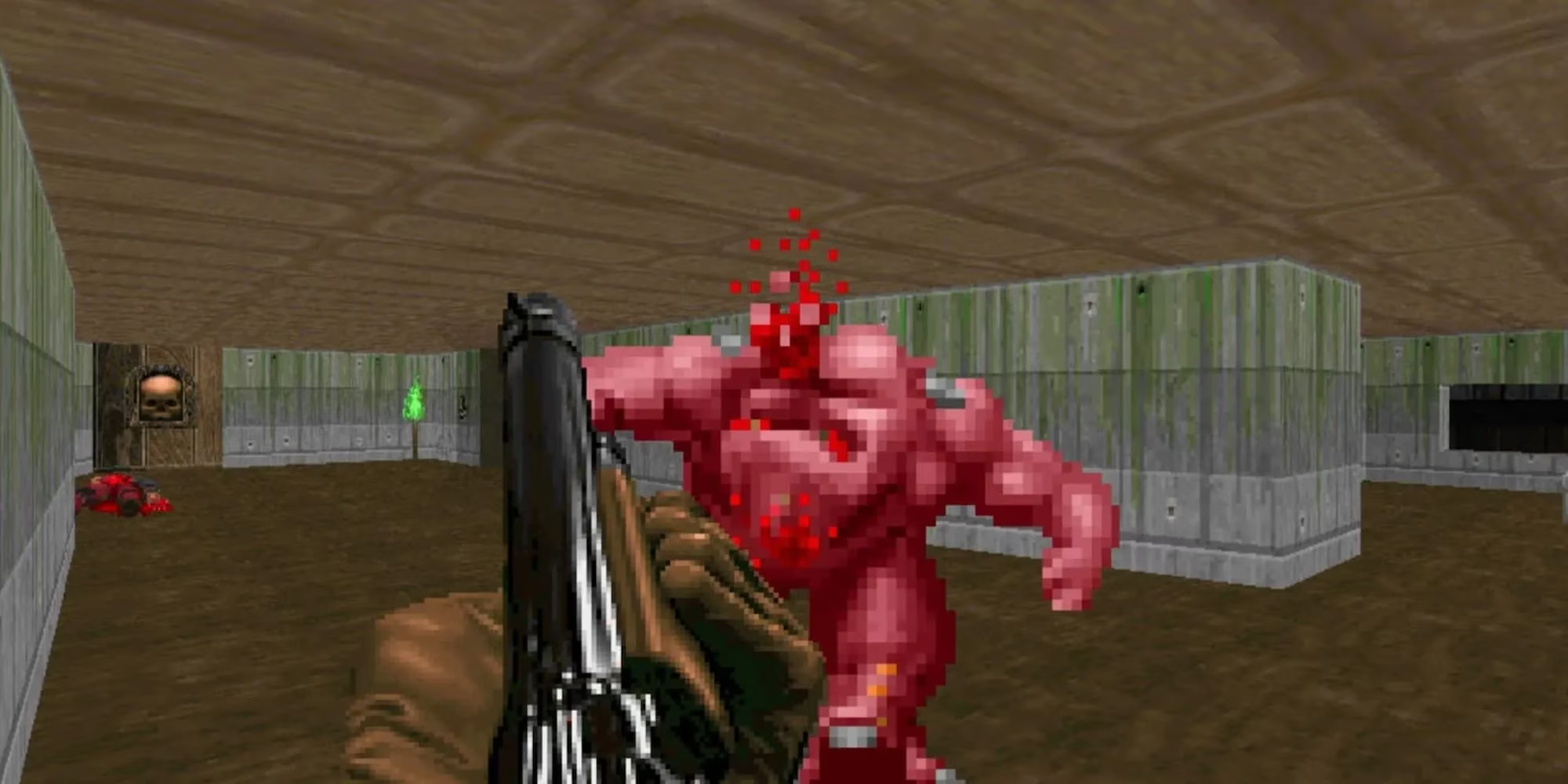
The simplicity was beautiful - up to four players racing around tight maps, scrambling for weapons, and going for the highest kill count. Playing it now, even in 2026, you can feel how it laid the groundwork for everything that followed. The speed, the intensity, the constant engagement - it's all there in its pixelated glory.
The Golden Age
The late 90s and early 2000s were the golden era for arena shooters, and two titans dominated this period: Quake 3 Arena and Unreal Tournament.
Quake 3 Arena completely abandoned single-player campaigns, focusing entirely on the multiplayer experience. The movement mechanics were sublime - strafing, rocket jumping, and map control created a skill ceiling that I'm still trying to reach decades later.
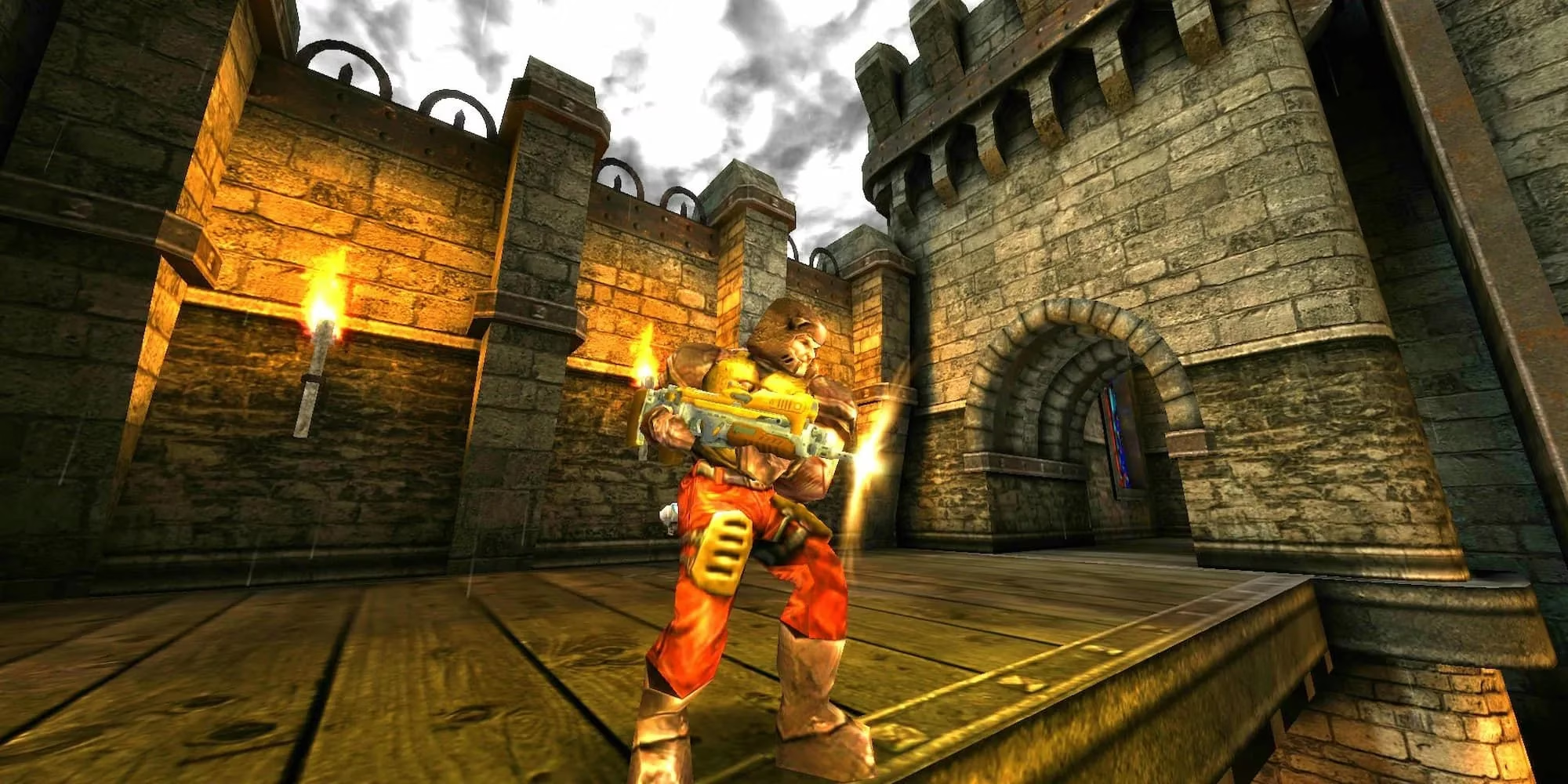
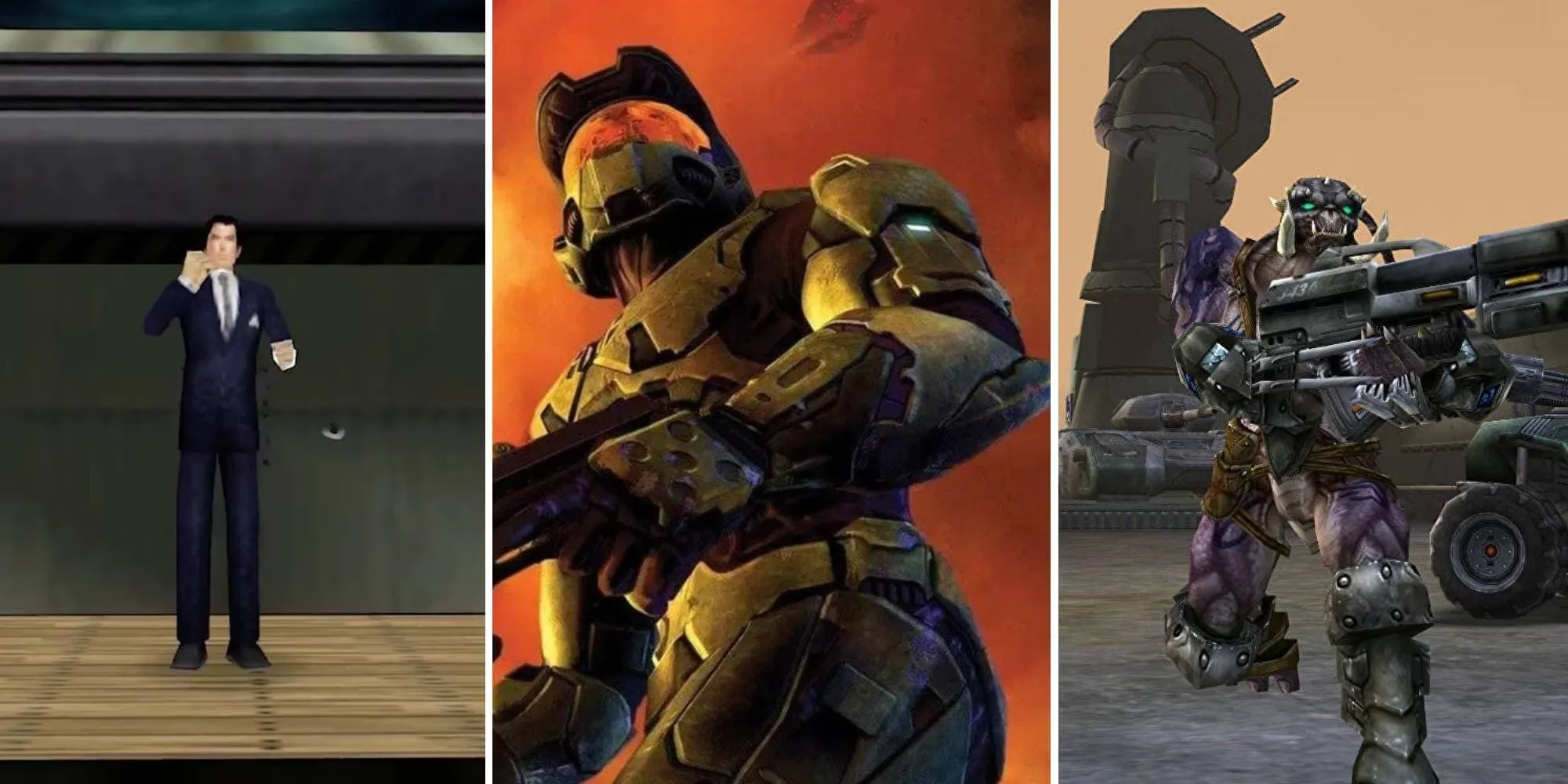
Epic Games' Unreal Tournament arrived in 1999 and became my personal obsession. Before Epic was known for Fortnite or the Unreal Engine licensing, they created this masterpiece of movement and gunplay. I spent countless hours mastering the maps, learning the weapon spawns, and perfecting my movement. The satisfaction of landing a perfect shock combo never gets old!
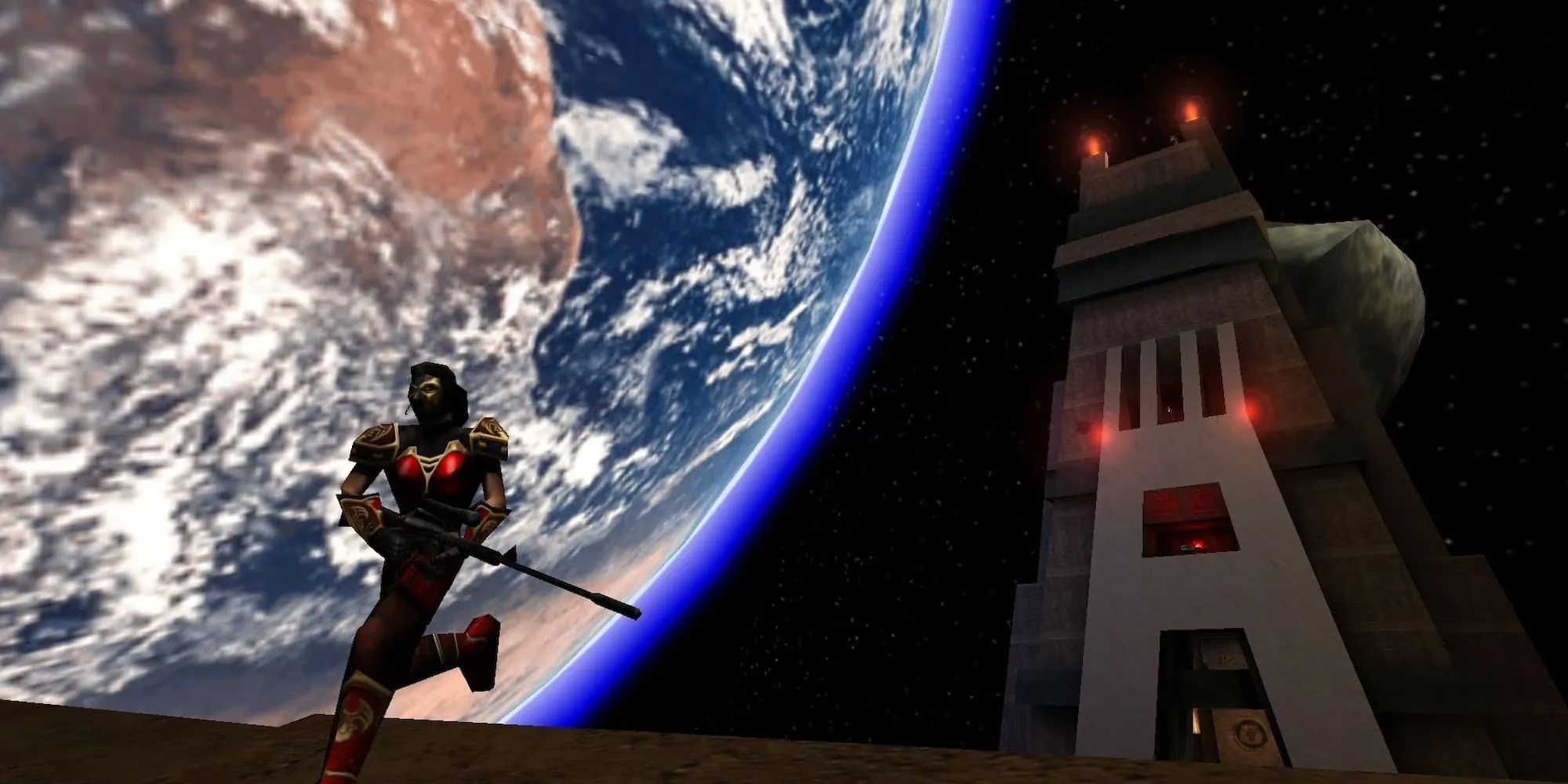
By 2004, Unreal Tournament evolved with UT2004, which expanded the formula with vehicles and larger maps while maintaining that core arena shooter DNA. With over 100 maps and refined movement mechanics, it represented the peak of classic arena shooter design before the genre began to transform.
Console Revolution
While PC gamers were enjoying Quake and Unreal, console players got their first taste of multiplayer arena shooting with Rare's GoldenEye 007 on the N64. Though slower than its PC counterparts, its impact on bringing multiplayer FPS to living rooms can't be overstated.
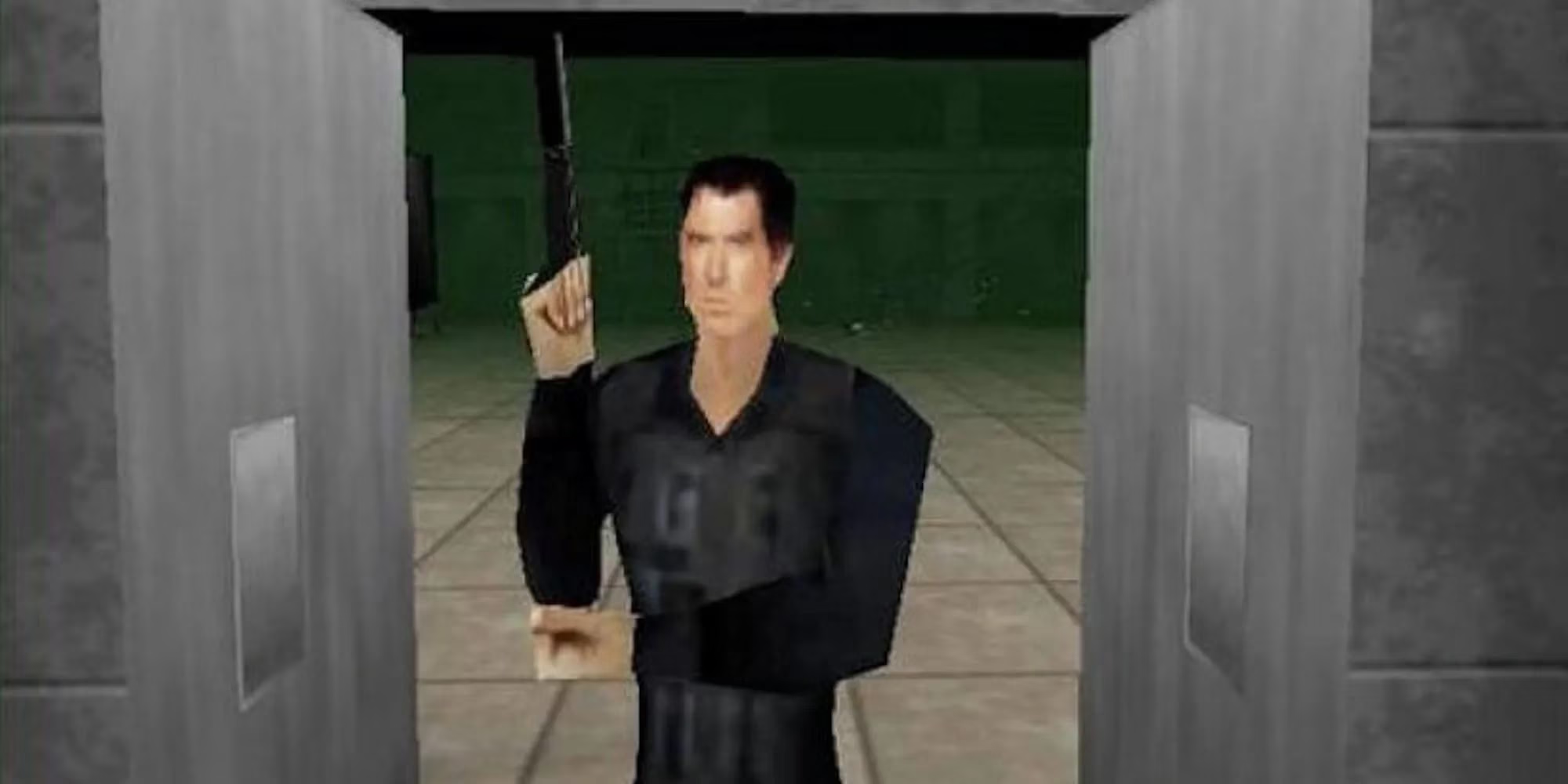
I remember huddling around a tiny TV with three friends, screen-peeking and yelling as we battled through the iconic Facility map. The specialized modes like License to Kill (one-shot kills) and You Only Live Twice (limited lives) added variety that modern games still emulate.
Rare followed up with Perfect Dark, which expanded on the GoldenEye formula with more customization options. I loved how matches began with players unarmed, creating a frantic race to grab weapons before opponents.
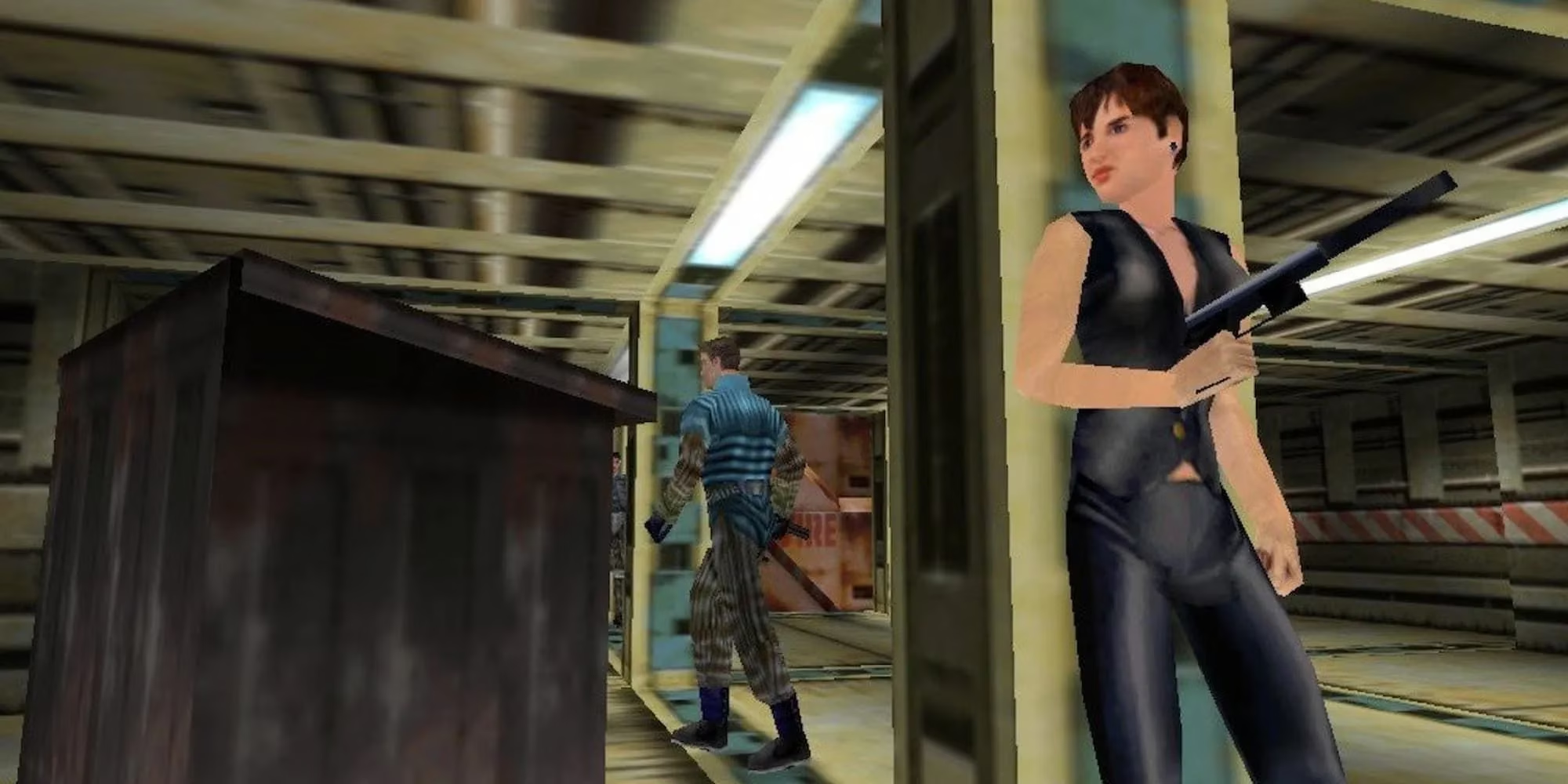
The Modern Evolution
The genre truly evolved when Halo 2 arrived. It blended tactical gameplay with the rapid pacing of traditional arena shooters, creating something that felt fresh yet familiar.
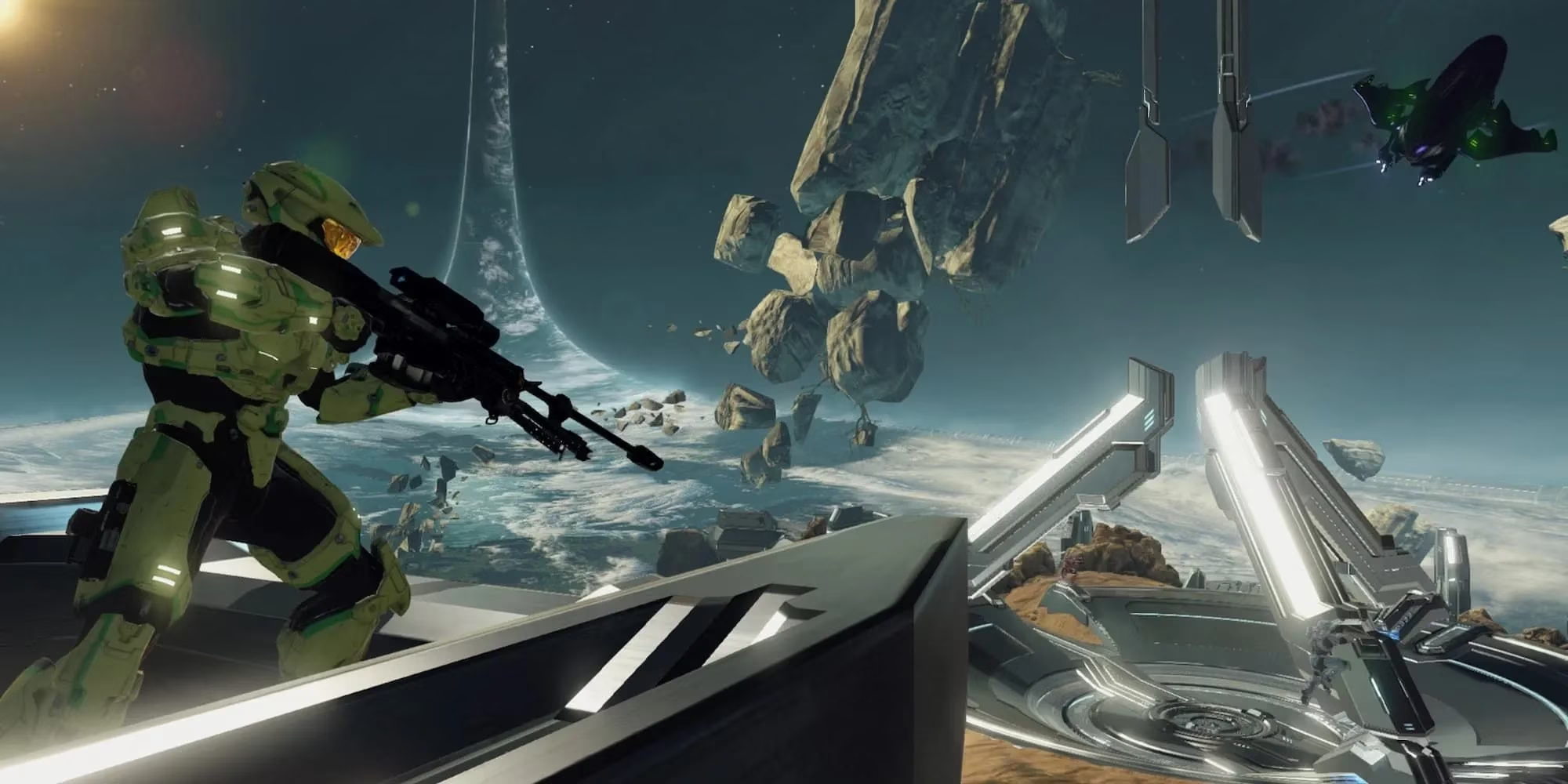
The power weapon control and objective-based gameplay of Halo 2 created a template that shooters would follow for decades. Even now in 2026, you can see its influence in virtually every competitive shooter. I spent countless nights in 2-Flag CTF matches on Zanzibar, coordinating with teammates to secure the rocket launcher and sniper rifle before making our move.
Fast forward to more recent history, and Overwatch represents the modern interpretation of arena shooters. With its hero-based gameplay and objective focus, it maintained the constant engagement principle while adding ability synergy and team composition strategy.
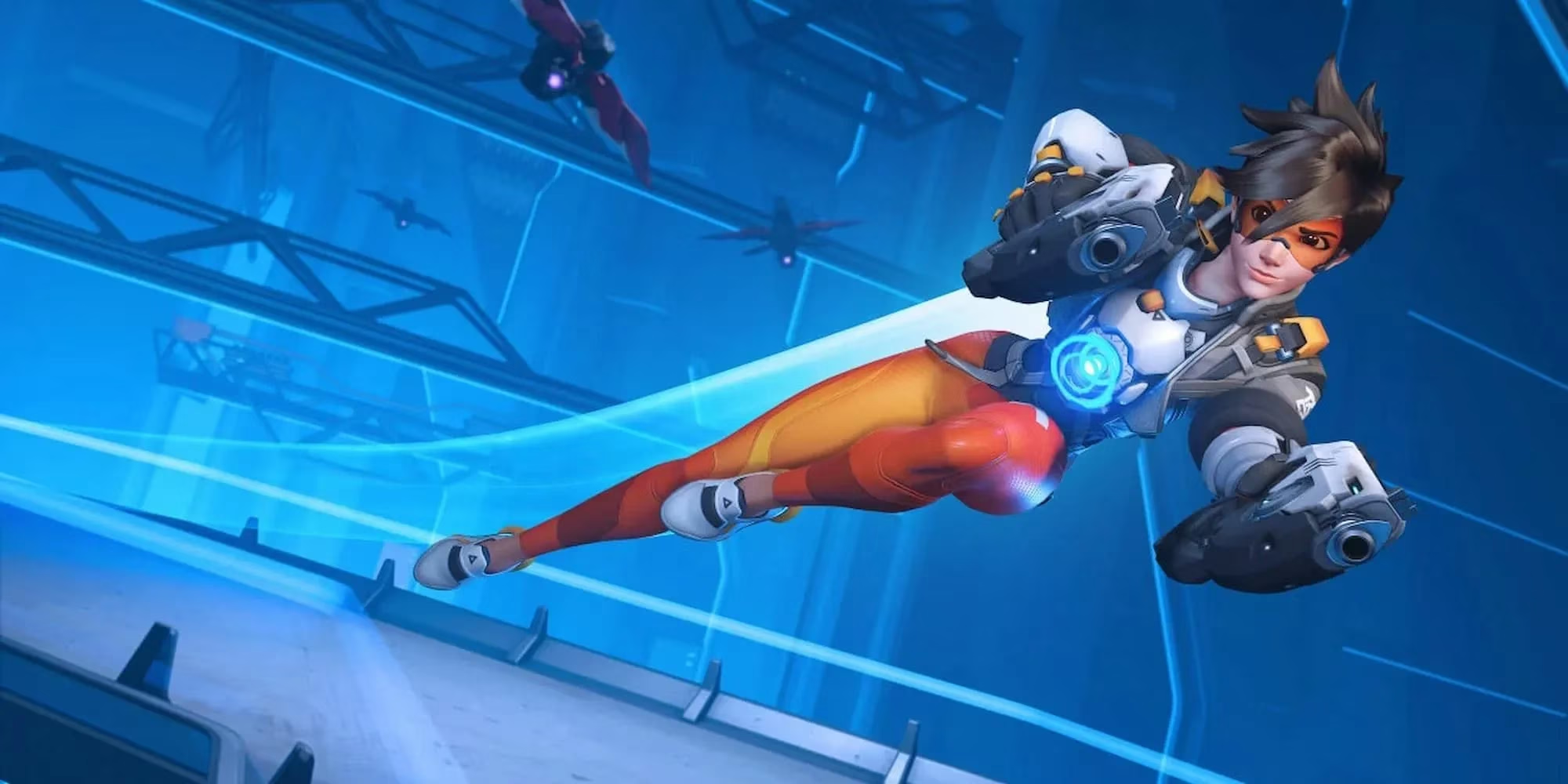
What Makes Arena Shooters Special
What's kept me coming back to arena shooters for all these years? I think it's the perfect balance of accessibility and skill depth. Anyone can jump in and start playing, but the skill ceiling is virtually limitless. Movement techniques, map knowledge, weapon mastery, and timing awareness create layers of expertise that take years to perfect.
The best arena shooters share these common elements:
-
Constant engagement - You're never more than seconds away from a fight
-
Power item control - Strategic management of weapons, armor, and powerups
-
Movement skill - Advanced techniques that separate good players from great ones
-
Enclosed, learnable maps - Spaces designed specifically for competitive play
-
Quick respawns - Get back into the action fast after defeat
The Future of Arena Shooters in 2026
As I look at the current gaming landscape in 2026, I'm excited to see arena shooters making a comeback. After years of battle royales and tactical shooters dominating the market, players are rediscovering the pure, unfiltered joy of arena combat.
The new wave of arena shooters combines the best elements of the classics with modern sensibilities - advanced movement mechanics, perfect weapon balance, and competitive infrastructure that the original developers could only dream of.
What hasn't changed is that core principle: force players to fight. No hiding, no camping, just pure skill-based combat in carefully crafted arenas. Whether you're a veteran who cut their teeth on Quake or a newcomer experiencing the genre for the first time, there's never been a better time to jump into the arena.
So grab your rocket launcher, perfect your strafe-jumping, and I'll see you in the arena. Just don't be surprised when my rail gun finds your head! 😈
As the genre continues to evolve, finding the right community and resources can make all the difference in mastering these high-paced games. Whether you are looking to connect with other players, find the latest strategies, or keep up with upcoming tournaments, Lootbar offers a vibrant hub for arena shooter enthusiasts. This platform provides a space where gamers can share experiences, learn from one another, and stay updated on all things related to their favorite virtual arenas.
Engaging with communities such as these not only enhances your gaming experience but also helps you grow as a player. By joining discussions and exploring resources available on Lootbar, you can deepen your understanding of the game mechanics and contribute to the ever-expanding world of arena shooters. So, dive in, explore, and level up your gameplay alongside a passionate community that shares your enthusiasm for this dynamic genre.