
The seismic rebranding of Philadelphia Fusion into Seoul Infernal marks a groundbreaking shift in Overwatch League history. This strategic relocation to South Korea's esports epicenter promises to ignite the competitive scene and captivate global fans.
In a surprising turn of events for the competitive Overwatch scene, Philadelphia Fusion has undergone a complete transformation, relocating from the United States to South Korea and rebranding as Seoul Infernal. This marks the first comprehensive rebrand in Overwatch League history, going beyond the partial change seen when Paris Eternal became Vegas Eternal back in 2018. What makes this move particularly significant? Seoul Infernal is the first team to completely abandon its original name.
As the esports community buzzes with excitement about this development, many are wondering what prompted such a dramatic shift. Could this be the beginning of a larger trend in the Overwatch League? Or perhaps it's a strategic move to capitalize on the massive esports market in South Korea?
The Announcement That Shook the League
"Philadelphia Fusion is to be rebranded as the Seoul Infernal in 2023," announced the industry watcher Overwatch Cavalry on Twitter. They elaborated that "as the team prepares for their shift in team operations to South Korea, this rebrand will bring new jerseys, merchandise, and skins to Overwatch League 2023, making them the second Seoul team."
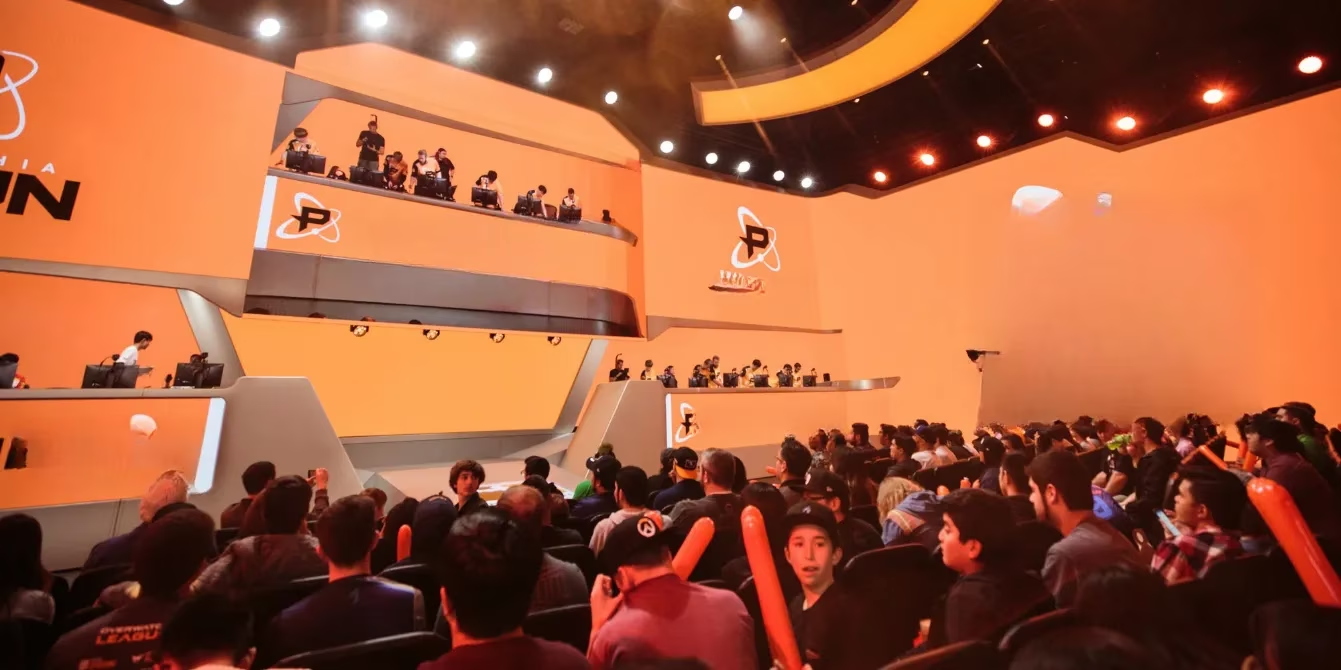
The official announcement from Comcast Spectacor, the team's owner, provided more context: "Today, Overwatch League team Philadelphia Fusion announced plans to rebrand itself in the new year as the Seoul Infernal and relocate to South Korea where the team has been operating for the past two years." They further explained that the team, founded in 2017, initially moved operations to South Korea at the beginning of the COVID-19 pandemic in early 2020, working closely with Overwatch League officials.
Strategic Repositioning or Necessary Evolution?
Dave Scott, President and Chief Executive Officer of Comcast Spectacor, offered insight into the decision: "As we gear up for next season, we've been evaluating how we can best compete at a consistent, championship level and we've realized that our franchise will be best positioned to succeed in Seoul." He expressed enthusiasm about beginning this new chapter as Seoul Infernal, emphasizing the team's pride in representing current and future fans on the global stage.
But one might ask: is this merely a business decision, or does it reflect deeper changes in the competitive Overwatch landscape? After all, South Korea has long been recognized as an esports powerhouse, with some of the world's most skilled players and most passionate fans. Could other teams follow suit in the coming years?
The Changing Geography of Overwatch League
With this rebrand, Seoul Infernal becomes the second team based in both Seoul and South Korea, joining Seoul Dynasty. This shift highlights the interesting geographical distribution of the Overwatch League in 2026:
-
South Korea: 2 teams (Seoul Dynasty, Seoul Infernal)
-
United Kingdom: 1 team
-
Canada: 2 teams
-
China: 4 teams
-
United States: 11 teams spread across Boston, New York, Washington, Atlanta, Miami, Houston, Dallas, Las Vegas, Los Angeles, and San Francisco
This distribution raises questions about the league's global strategy. Why does the United States continue to dominate with 11 teams despite the global popularity of Overwatch? And will we see more relocations and rebrands as teams seek to optimize their competitive positioning?
Continuity Amid Change
Despite the dramatic rebrand, some elements of continuity remain. Seoul Infernal will continue under the ownership of Comcast Spectacor, maintaining the existing management structure. Furthermore, the current roster of signed players will be retained, though the team has indicated that "new additions will be brought on to build out the team."
For fans of the former Philadelphia Fusion, this mix of change and continuity presents a complex emotional landscape. How many will follow their team across continents? Will the Seoul-based fanbase embrace this newcomer to their city's esports scene?
The Future of Team Identity in Esports
This historic rebrand prompts deeper reflection on team identity in the rapidly evolving world of esports. Unlike traditional sports, where teams are deeply rooted in local communities and identities, esports organizations appear more fluid, willing to transform themselves in pursuit of competitive advantage and market opportunity.
Is this flexibility a strength or a weakness for the esports ecosystem? Does it allow for more dynamic adaptation to global trends, or does it risk alienating loyal fans who form emotional attachments to team identities?
As we look ahead to the 2026 Overwatch League season, the transformation of Philadelphia Fusion into Seoul Infernal stands as a fascinating case study in esports evolution. Will this bold move pay dividends in terms of competitive success and fan engagement? Only time will tell, but one thing is certain: the esports landscape continues to evolve in ways that challenge our traditional understanding of sports franchises and team loyalty.
For now, all eyes are on Seoul Infernal as they prepare to write the next chapter in their competitive journey. Will they rise from the ashes of their former identity to claim championship glory? The anticipation is palpable as fans around the world await the team's debut under their fiery new banner. 🔥
As esports continues to expand globally, fans often seek reliable resources to stay updated on their favorite teams, players, and industry trends. Whether you're tracking roster changes, exploring game strategies, or diving into the culture of competitive gaming, having access to comprehensive insights can enhance your esports experience.
One platform that caters to the needs of passionate esports enthusiasts is Lootbar. With a wealth of information on tournaments, team updates, and gaming news, Lootbar serves as a hub for those who want to stay informed and connected within the ever-evolving esports landscape.