
Overwatch 2 Season 9 introduces a groundbreaking self-healing mechanic for all heroes, sparking controversy and reshaping the game's core team dynamics.
The Overwatch 2 community is currently in an uproar following Game Director Aaron Keller's announcement of a game-changing mechanic coming in Season 9. For the first time since the franchise's inception, every hero in the roster will receive self-healing capabilities when outside of combat, fundamentally altering the game's core dynamics and team-based structure.
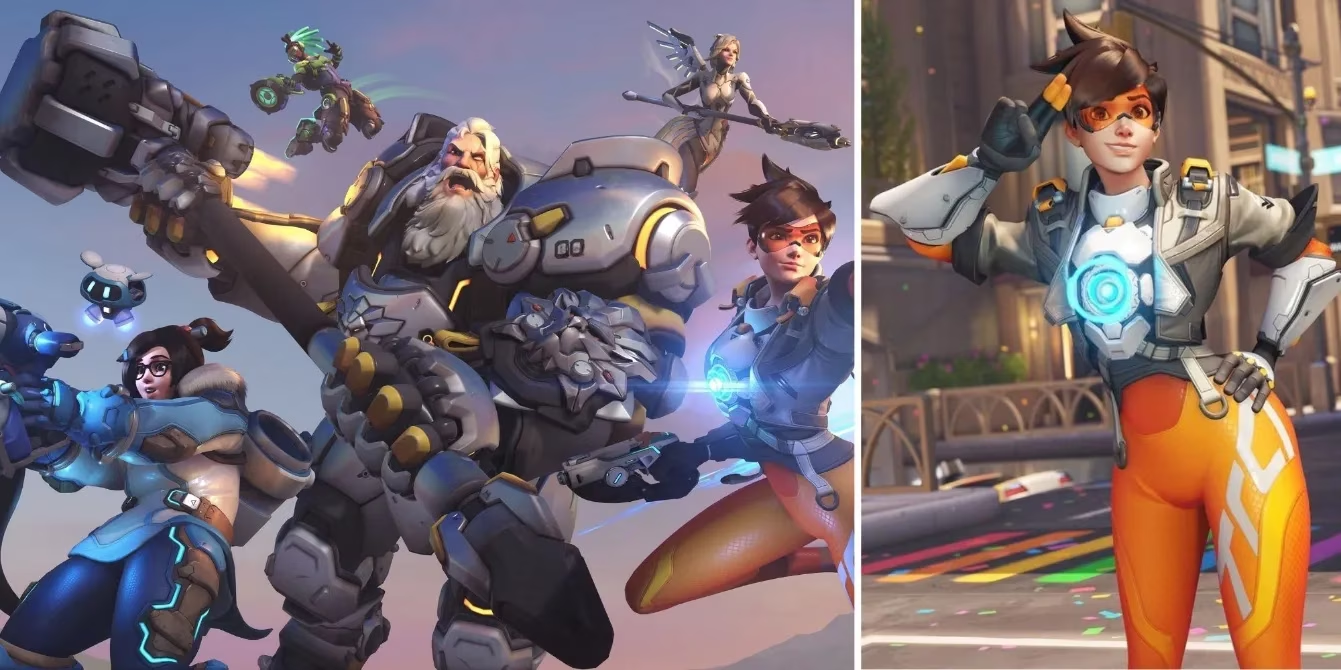
The Controversial Change
In a detailed blog post, Keller revealed that both Tank and Damage heroes will receive a modified, scaled-down version of the Support self-healing passive ability. This unprecedented change means that every character in the game will now be able to regenerate health automatically when not actively engaged in combat.
The announcement sent shockwaves through the player base, with many expressing disbelief and frustration. On the Overwatch 2 subreddit, reactions ranged from shock to outright dismissal, with one player commenting they had to verify it wasn't an April Fools' joke. Support mains have been particularly vocal, with many simply stating they "do not like this" – an understatement considering the potential implications.
The core concern centers around the potential obsolescence of Support heroes. If every character can heal themselves, what unique value do Support players bring to the team? This change appears to further erode Overwatch 2's team-based foundation, which has already faced criticism since the shift from 6v6 to 5v5 gameplay.
Keller's Clarification
Following the immediate backlash, Keller took to social media to provide context, explaining that the self-healing mechanic is merely "one part of a much larger set of changes coming to the game in Season 9." While specific details remain limited, he hinted at upcoming adjustments to "the role of DPS in securing kills, and the strength of healing" overall.
Keller acknowledged that announcing the self-healing change in isolation was a "mistake" and promised more comprehensive information about balance changes in future communications. This suggests that Blizzard may have a more holistic vision for these adjustments than initially perceived by the community.
The 'Quicker Play' Controversy
Adding fuel to the fire, Overwatch 2 recently introduced a weekend event called "Quicker Play" that temporarily replaced standard Quick Play matches. This mode features accelerated gameplay elements including:
-
Faster-moving payloads assisted by TS-1 bots
-
Increased control point capture speeds
-
Reduced respawn timers
-
Shortened round durations
The community's response has been overwhelmingly negative. Players have criticized the mode for being "way too quick," not allowing sufficient time for Ultimate ability generation, and generally disrupting the game's strategic pacing. Many expressed frustration that this experimental mode completely replaced the standard Quick Play option for an entire weekend.
Looking Ahead to Season 9
While the "Quicker Play" event is temporary, the self-healing changes are set to become a permanent feature when Season 9 launches. Although Blizzard hasn't announced an official release date, the new season is expected to go live around February 20th, 2026.
The upcoming season represents one of the most significant shifts in Overwatch's fundamental mechanics since its transition to Overwatch 2. Players are anxiously awaiting more details about the complete package of balance changes that will accompany this controversial new passive ability.
Community Concerns and Potential Impact
The self-healing controversy highlights several ongoing tensions within the Overwatch 2 ecosystem:
-
Role Identity Erosion - When all heroes can self-heal, the unique value proposition of Support heroes becomes less distinct
-
Reduced Team Dependency - Further reduction in the need for coordination and teamwork
-
Balance Implications - Potential for certain heroes to become overpowered when combining existing survivability tools with self-healing
-
Skill Ceiling Concerns - Possibility that the game becomes more forgiving for positioning errors and poor resource management
Many veteran players worry these changes represent a continued shift toward a more individualistic play style that contradicts Overwatch's original team-focused design philosophy.
The Developer's Challenge
Blizzard now faces the difficult task of convincing its player base that these dramatic changes will benefit the game's health in the long term. The studio's track record with major adjustments has been mixed, with the initial 5v5 shift receiving similar criticism before eventually gaining acceptance from many players.
As Season 9 approaches, all eyes will be on Keller and the development team to see if they can successfully integrate this controversial mechanic into a balanced, enjoyable experience that preserves what players love about Overwatch while evolving the game for the future.
For now, the community remains skeptical but attentive, waiting to experience these changes firsthand when Season 9 finally arrives next month. Whether this self-healing revolution will rejuvenate or further fragment the player base remains to be seen.
The coming weeks will be crucial as Blizzard continues to unveil more details about their comprehensive vision for Season 9. Until then, the debate rages on among players, content creators, and competitive teams about what these changes will mean for the future of Overwatch 2.