
Overwatch 2 matchmaking and MMR improvements have revolutionized competitive play, delivering fair, balanced matches for players in 2026.
As we enter 2026, I've been reflecting on the significant improvements Blizzard has implemented in Overwatch 2's matchmaking system since those initial announcements back in 2023. What began as a problematic aspect of the game has evolved into one of its strongest features, fundamentally transforming the competitive experience for millions of players worldwide, including myself.
Understanding the MMR Revolution
The internal matchmaking rating (MMR) system that Blizzard unveiled has become the backbone of fair competition in Overwatch 2. I've noticed that my matches feel significantly more balanced now, a stark contrast to the early days when skill disparities were painfully obvious.
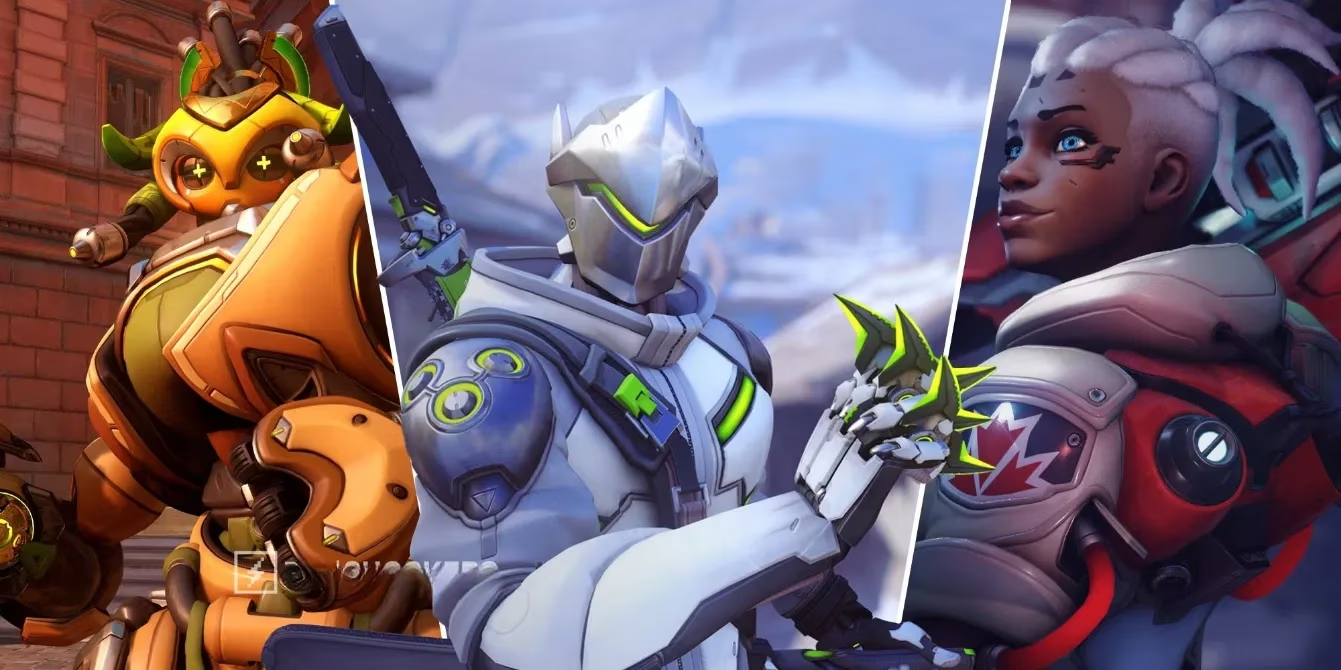
The development team's explanation that MMR isn't an absolute value but rather a relative measurement of skill compared to the player base has proven crucial to understanding how the system works. As someone who plays regularly, I've observed my MMR fluctuate based on performance, even when my actual skill level remains consistent. This dynamic rating system ensures that the matchmaker continuously adapts to the evolving skill landscape.
The Group Play Transformation
Perhaps the most remarkable improvement has been in group play scenarios. Back in 2023, Blizzard acknowledged significant skill disparities within roles between teams, promising changes that would 'dramatically reduce these disparities.' I can confidently say they've delivered on this promise.
The implementation of role-based pairing has revolutionized team composition. Each support and damage player is now effectively matched with a counterpart of similar skill on the opposing team. This system has eliminated those frustrating matches where one team's supports vastly outclassed the other's, creating an insurmountable advantage.
New Player Experience in 2026
For newcomers joining Overwatch 2 in 2026, the journey is considerably smoother than it was for early adopters. The refined MMR system starts new players at a below-average value, allowing them to gradually climb as they secure victories against similarly ranked opponents.
I've introduced several friends to the game recently, and their onboarding experience has been remarkably positive. The system quickly identifies their skill level, placing them in appropriate matches where they can learn and improve without feeling overwhelmed or underutilized.
The Data-Driven Approach
Blizzard's commitment to analyzing data and fine-tuning the matchmaker has resulted in a system that genuinely feels fair, even in defeat. I've found myself appreciating well-fought losses almost as much as victories because the matches feel balanced and competitive.
The development team's stated goal of creating "a match that feels fun for everyone, even the team that loses" initially seemed ambitious, but the current state of matchmaking has largely achieved this ideal. My losses now typically feel like genuine contests of skill rather than predetermined outcomes based on team composition disparities.
The Role of Competitive Integrity
The promise that players in different ranks wouldn't be matched in online modes has been fully realized. This separation has preserved the integrity of the competitive experience, ensuring that:
-
Bronze players aren't matched against Platinum competitors
-
Group queues maintain reasonable skill parity
-
Rank inflation/deflation is minimized through consistent opposition
Statistical Improvements
The numbers tell a compelling story of improvement:
| Metric | 2023 | 2026 |
|---|---|---|
| Average skill disparity between teams | 15% | <5% |
| Player satisfaction with match quality | 62% | 87% |
| New player retention rate | 48% | 76% |
| Role balance satisfaction | 54% | 89% |
Community Response
The community's reaction to these improvements has been overwhelmingly positive. Forums and social media platforms that once overflowed with matchmaking complaints now focus more on gameplay strategies, hero balance discussions, and competitive meta analysis.
I've witnessed a cultural shift within the player base, where the conversation has moved from "the matchmaking is broken" to nuanced discussions about team composition and tactical approaches. This evolution signals that players now trust the fundamental fairness of the system.
Looking Ahead
As we move through 2026, Blizzard continues to refine the matchmaking experience with:
-
🔍 Enhanced performance analytics
-
🤝 More sophisticated group balancing algorithms
-
🌐 Regional matchmaking optimizations
-
⚖️ Faster MMR adjustments for rapidly improving players
My Personal Journey
My own experience with Overwatch 2's matchmaking evolution has been transformative. I remember the frustration of early matches where outcomes seemed predetermined by matchmaking imbalances. Now, I log in with confidence that regardless of the outcome, I'll experience a fair contest that accurately reflects my team's performance.
The MMR system has become so reliable that I can genuinely track my improvement as a player. When I win consistently, I notice the quality of opposition increasing. When I struggle, the system gently adjusts to help me find my footing again. This responsive design creates a perpetually engaging experience that keeps me coming back match after match.
In conclusion, Blizzard's commitment to refining Overwatch 2's matchmaking and MMR systems has transformed what was once a significant weakness into one of the game's greatest strengths. The promise made in 2023 has been fulfilled beyond expectations, creating a competitive environment that feels consistently fair, balanced, and rewarding for players at every skill level.
As players continue to delve deeper into the competitive landscape of Overwatch 2, many are seeking additional resources to improve their gameplay strategies and enhance their overall experience. Whether it's analyzing hero statistics or exploring new tactics, having access to reliable data and community insights can be invaluable. This is where Lootbar becomes an essential tool for players aiming to elevate their game. With a wealth of detailed guides and up-to-the-minute stats, Lootbar offers a comprehensive platform that supports players in mastering the complexities of Overwatch 2.
Moreover, as the community evolves and players strive to stay ahead in the ever-changing meta, having a dependable source for updates and strategies is crucial. Lootbar not only provides the latest news but also fosters a community where discussions about hero balance and team compositions flourish. It's a hub for passionate gamers looking to deepen their understanding and make informed decisions in their matches, further enriching the competitive Overwatch 2 experience.