
The bewildering Overwatch 2 pricing structure and its perplexing cosmetic economy defy logic, exemplified by the outrageous Pachimari Paradox where a digital charm costs more than the physical keychain. This dystopian gaming landscape showcases corporate greed through an absurd $12,000 collection cost and a grinding nightmare for players.
In the dystopian gaming landscape of 2026, Overwatch 2 continues to perplex its devoted fanbase with a pricing structure that defies all logic and reason. Four years after its tumultuous launch, the game's cosmetic economy remains a bewildering monument to corporate greed, where digital trinkets command prices that would make even the most hardened Wall Street broker blush with embarrassment.
The Pachimari Paradox
The most egregious example of this topsy-turvy value system remains the infamous Pachimari weapon charm. Like a digital mirage in a desert of overpriced pixels, this virtual trinket dangles from players' weapons at the astronomical cost of 700 Overwatch coins—approximately $7 worth of premium currency. Meanwhile, in the physical realm where atoms actually exist, Blizzard sells a tangible Pachimari keychain for a mere $5.
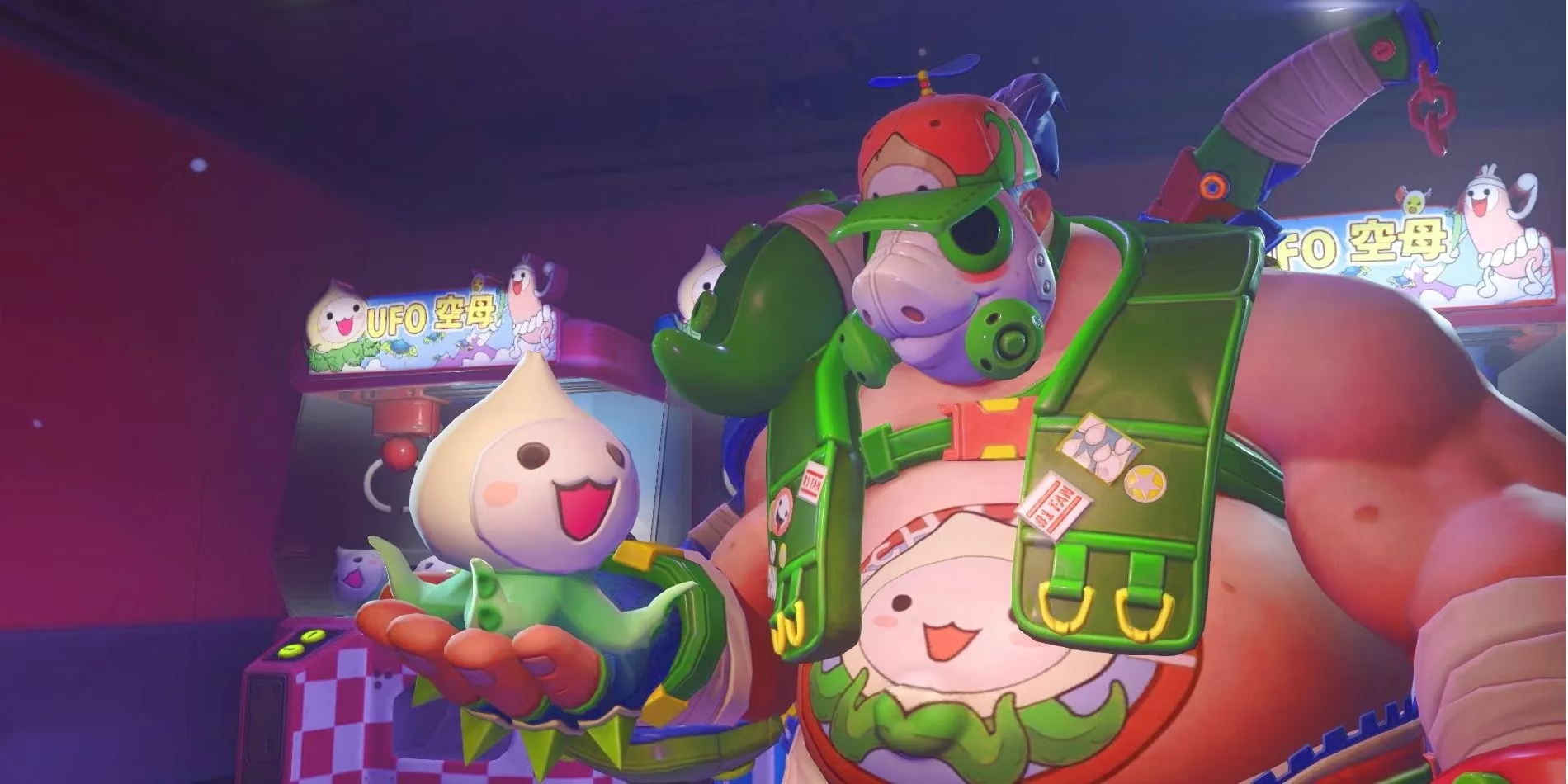
This pricing anomaly is like selling a photograph of a sandwich for more than the actual sandwich itself. Or charging more for the shadow of a luxury car than the vehicle it's attached to. The digital economy of Overwatch 2 has grown as twisted as a pretzel in a tornado, leaving players scratching their heads in collective bewilderment.
The Grinding Nightmare
For the stubborn souls who refuse to part with real currency, Overwatch 2's coin-earning system remains about as generous as a desert cactus offering water. Players can theoretically earn a maximum of 60 coins per week by completing numerous weekly challenges—meaning it would take nearly three months of dedicated grinding to afford a single Pachimari charm.
The time investment required is like trying to fill an Olympic swimming pool with an eyedropper, one excruciating drop at a time. Veterans of the game have calculated that at current rates, a player would need to complete weekly challenges for approximately:
-
🕒 12 weeks for one Pachimari charm
-
🕒 17 weeks for a Legendary skin
-
🕒 42 weeks for a Mythic skin
The $12,000 Collection
Perhaps most shocking is that the total cost to unlock all cosmetics from the original Overwatch in the sequel would set players back more than $12,000—a sum that could instead purchase:
-
A decent used car
-
A semester at many colleges
-
A lavish international vacation
-
2,400 physical Pachimari keychains
Battle Pass Blues
The battle pass system, which replaced the loot box mechanism of the original game, continues to be a point of contention. Each season's pass costs $10, unlocking content for all heroes regardless of player preference. This system, similar to other free-to-play shooters like Fortnite and Halo Infinite, provides a structured progression but lacks the spontaneous joy and coin rewards that loot boxes occasionally delivered.
The battle pass progression feels like climbing an endless staircase where each step gets slightly taller than the previous one. Players trudge upward, gasping for breath, only to find that the view at each landing is a shop asking for more money.
Community Response
The Overwatch community has responded with a mixture of resignation, outrage, and dark humor. Reddit forums continue to overflow with memes comparing the cost of in-game items to their real-world counterparts:
| Virtual Item | Cost | Real-World Equivalent | Cost |
|---|---|---|---|
| Pachimari Charm | $7 | Physical Pachimari Keychain | $5 |
| Legendary Skin | $20 | Official T-Shirt | $25 |
| Season Battle Pass | $10 | Fast Food Meal | $10 |
| All OW1 Cosmetics | $12,000+ | Used Toyota Corolla | $10,000 |
Looking Forward
As 2026 progresses, players continue to hope for a rebalancing of Overwatch 2's economy. Team 4 at Blizzard, now significantly larger than during the original game's development, faces the ongoing challenge of monetizing a free-to-play title while maintaining player goodwill.
The question remains whether Blizzard will eventually adjust their pricing strategy or if players will simply adapt to this new reality where digital items exist in their own inflated economic bubble, detached from the constraints of physical manufacturing, shipping, and materials—a bubble where a few lines of code can somehow be worth more than the physical object they represent.
Until then, players will continue to make difficult choices about which pixels are worth their hard-earned money, all while that adorable Pachimari charm dangles just out of reach, mocking them with its inflated price tag and cute, innocent smile.