
Overwatch 2's Battle for Olympus event transformed seven heroes with godlike abilities in a chaotic free-for-all, revitalizing the meta with divine powers and mythological rewards. This limited-time mode sparked a server-wide competition for immortalization, marking a pivotal shift in the game's format.
Blizzard's hero shooter has transformed seven of its characters into literal gods in a chaotic new limited-time mode that has players buzzing like Mercy's Valkyrie wings. The Battle for Olympus event, which launched back in January 2026, represented a significant pivot from Overwatch 2's traditional team-based format, offering a mythological free-for-all deathmatch that breathed fresh divine air into the sometimes stagnant meta.
Godlike Powers That Would Make Zeus Jealous
The mode's premise is as simple as it is spectacular: seven heroes from the roster receive powers that would make the Olympian pantheon look like amateur hour at the local talent show. Widowmaker, already deadly with her sniper rifle, gained the ability to petrify enemies - turning unfortunate opponents into stone statues faster than Medusa at a staring contest. Meanwhile, Junker Queen transformed from wasteland royalty to a thunder goddess, calling down lightning strikes that scatter enemies like bowling pins hit by a celestial bowler.
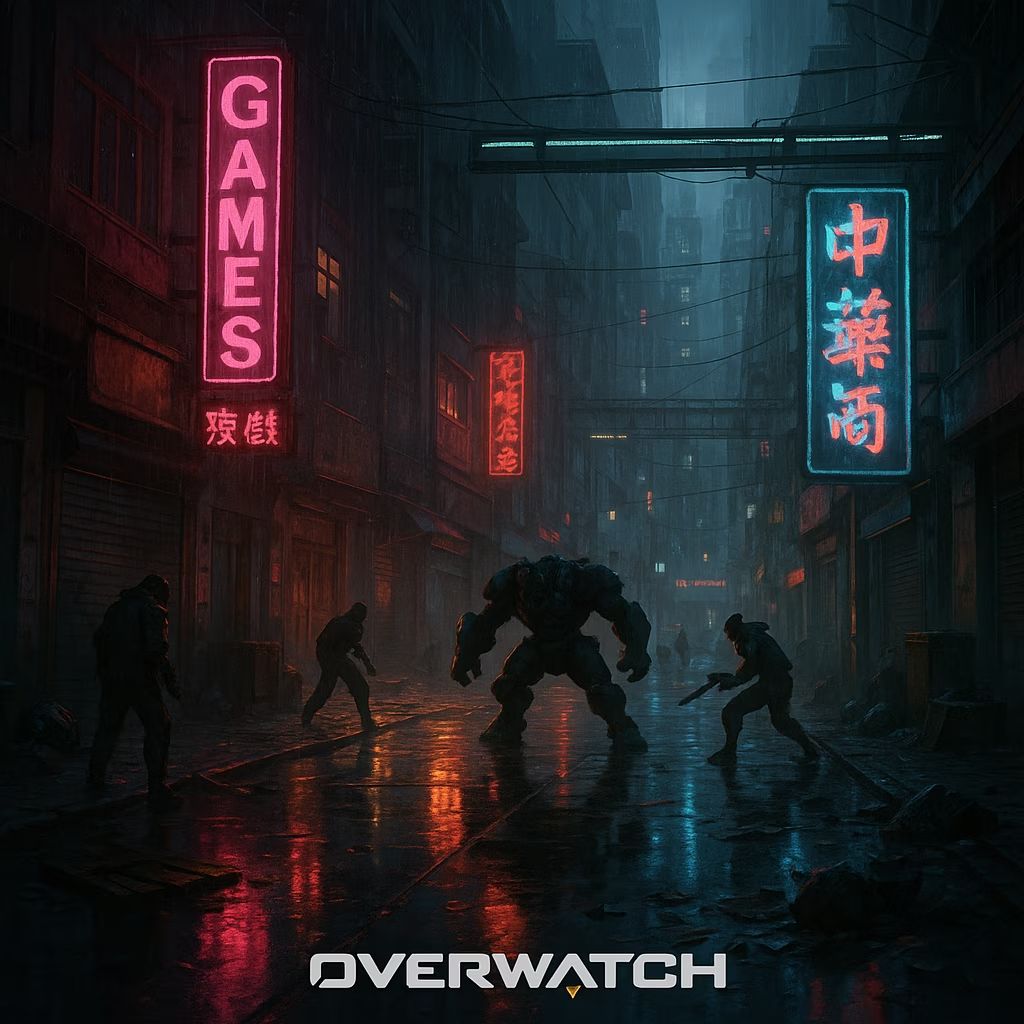
Other characters received equally impressive divine upgrades. Reinhardt's hammer strikes created earthshaking fissures like Poseidon having a temper tantrum, while Pharah's rocket barrage rained down hellfire that would make Hephaestus nod in approval. The visual effects alone were worth witnessing - ultimate abilities transformed into spectacles that lit up the battlefield like Olympic flame ceremonies gone nuclear.
Community Competition Reaches Mythic Proportions
The most fascinating aspect of the event wasn't just the godlike abilities, but the meta-competition that emerged. Blizzard cleverly incentivized participation by promising that whichever hero accumulated the most eliminations throughout the two-week event would be immortalized with a statue on the Ilios map.
This created a fascinating dynamic where players weren't just fighting for personal glory but representing their main character in a server-wide popularity contest. Discord channels and Reddit threads became war rooms where strategies were developed to ensure their favorite hero would stand eternally in stone.
Divine Rewards for Mortal Efforts
Beyond the community-wide competition, individual players could earn what Blizzard called "divine rewards" for participating in the celestial chaos. These included:
-
Olympian-themed skins
-
Godlike emotes
-
Divine victory poses
-
Mythological weapon charms
-
Special voice lines referencing ancient myths
The cosmetic rewards followed a Greek mythology aesthetic that complemented the existing Overwatch art style while offering something visually distinct. Players who completed all challenges received a legendary skin that transformed their character into a full-fledged Greek deity, complete with golden laurels and flowing robes.
A Turning Point for Overwatch 2
For many veterans of the franchise, Battle for Olympus represented more than just a fun diversion - it signaled Blizzard's willingness to experiment with the core Overwatch formula. After facing criticism for being too conservative with gameplay innovations in the sequel, this mode demonstrated that the development team could still surprise players.
"This is exactly the kind of creative mode Overwatch 2 needs," wrote gaming analyst Sophia Chen in her January 2026 assessment. "It maintains the core hero shooter mechanics while completely reimagining how those heroes interact with each other."
The timing couldn't have been better. Launching alongside the Lunar New Year event (which ran from January 17 to February 6), these back-to-back celebrations gave players reason to log in daily during what's typically a slow period for live service games after the holiday season.
The Legacy of Battle for Olympus
While the event lasted only two weeks, its impact on Overwatch 2 has been significant. The popularity of certain god-powered abilities led developers to experiment with more dramatic hero reworks in subsequent balance patches. The community competition aspect has become a template for future events, where players contribute to global statistics that physically change maps.
Most importantly, it showed that Overwatch 2 could successfully expand beyond its team-based roots. For a game that sometimes feels constrained by its 5v5 format, the chaotic free-for-all of Battle for Olympus demonstrated that Overwatch's heroes shine just as brightly - perhaps even more so - when unleashed from the restrictions of team compositions and objective-based gameplay.
As we look forward to the next seasonal event in 2026, many players are hoping for a return to Olympus or a similar power fantasy mode. Whether battling as gods, demons, or something entirely new, the lesson is clear: sometimes the most divine gaming experiences come not from careful balance, but from embracing glorious chaos.
🏆 Final Elimination Leaderboard
| Hero | Eliminations (millions) |
|---|---|
| Junker Queen | 24.7 |
| Widowmaker | 22.3 |
| Reinhardt | 19.8 |
| Pharah | 18.5 |
| Lucio | 15.9 |
| Roadhog | 14.2 |
| Ramattra | 12.6 |
Note: The winning hero's statue can still be visited on Ilios today, a permanent reminder of the time Overwatch players became gods.
For those looking to delve deeper into strategies and discussions surrounding Overwatch 2's dynamic events, there are numerous online communities and resources available. Engaging in forums and dedicated websites can provide valuable insights into hero usage, map strategies, and upcoming game updates that could influence future gameplay. These platforms not only allow players to share their experiences but also to stay informed about potential changes in the game environment.
One such resource is Lootbar, a website dedicated to gaming enthusiasts. It offers a comprehensive look at various games, including Overwatch 2, with tips, news, and community discussions that can enhance your gaming experience. Whether you're interested in exploring new event modes or simply seeking advice on maximizing your hero's abilities, Lootbar provides a space for players to connect and grow in their gaming journeys.