
The Overwatch 2 'sexual harassment simulator' scandal resurfaces, exposing Blizzard's severe content moderation failures. This disturbing custom mode exploits painful real-world controversies, highlighting an appalling deficiency in platform policing that undermines industry inclusivity.
The gaming community was shocked this week as Overwatch 2 developers were forced to remove a deeply troubling custom game mode for the third time in four years. The offensive mode, titled "sexual harassment simulator," has resurfaced despite previous removals in 2022 and again in 2024, raising serious questions about Blizzard's content moderation effectiveness.
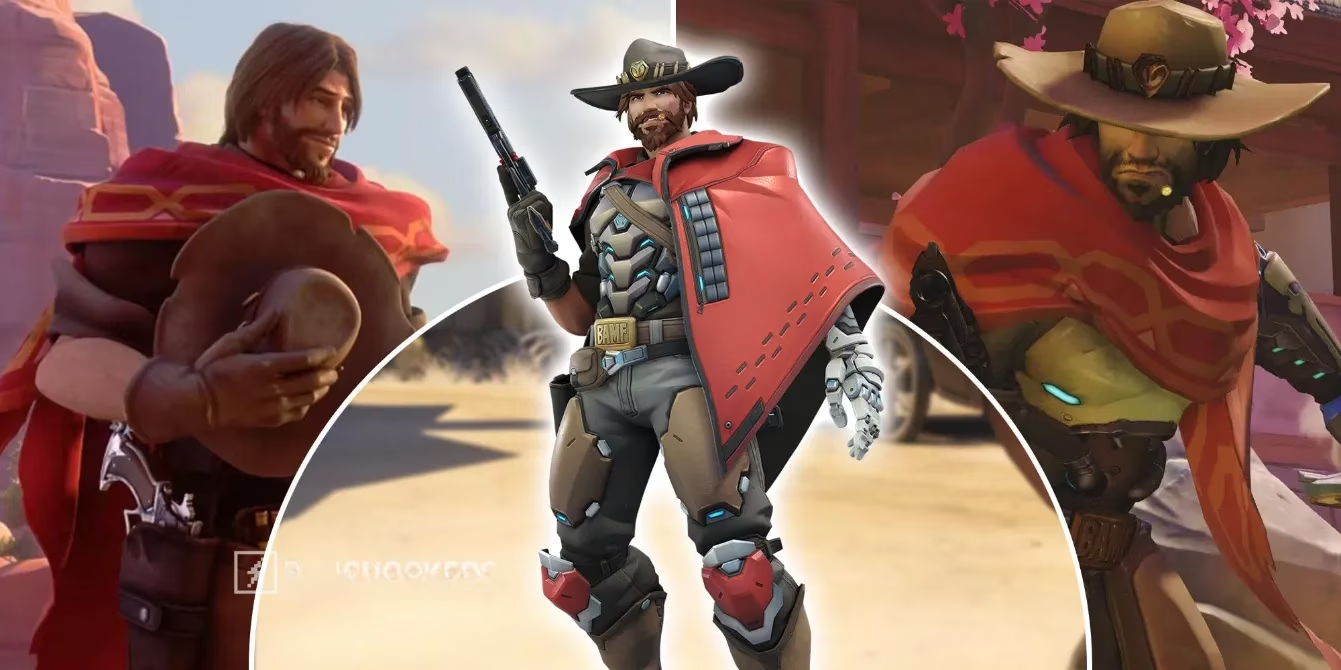
The disturbing custom mode forces players to use the character Cassidy (formerly known as McCree) to target and assault female heroes within the game. Industry observers note that the persistence of this content demonstrates the ongoing challenges faced by gaming platforms in policing user-generated content, even in 2026.
"It's absolutely appalling that we're still seeing this type of content resurface," remarked one community moderator who wished to remain anonymous. "The gaming industry has made significant strides in inclusivity over the past few years, but incidents like this show we still have considerable work to do."
The Troubling Context
What makes this particular mode especially problematic is its deliberate connection to real-world controversies. Cassidy was renamed from McCree in 2021 following allegations against the character's namesake, Jesse McCree, a former Activision Blizzard developer who was implicated in workplace harassment scandals and the infamous "Cosby Suite" incident.
The creator of this offensive mode appears to be intentionally exploiting this painful history, turning a character redesigned to distance the game from controversy into a vehicle for further harm. This calculated choice transforms what would already be objectionable content into something that deliberately reopens wounds for survivors of harassment and assault.
"The connection to past Activision Blizzard controversies isn't coincidental," explained Dr. Samantha Reynolds, a digital ethics researcher. "This appears to be a deliberate attempt to weaponize the company's history against its efforts to create a more inclusive environment. It's a form of digital vandalism with real victims."
Moderation Challenges in 2026
Despite Blizzard's previous statements about improving their moderation systems, the reappearance of this content raises serious questions about the effectiveness of their approach. Back in 2022, Blizzard stated they were "continually working to improve automatic filters to prevent inappropriate user-created content," yet similar content has managed to bypass these systems multiple times.
The company's current moderation approach relies on a combination of:
-
AI-driven content scanning
-
Player reporting mechanisms
-
Human moderation teams
-
Proactive scanning of custom game titles and descriptions
However, content creators determined to circumvent these systems have developed increasingly sophisticated methods to evade detection, often using coded language or subtle modifications to avoid automated filters.
Community Response
The Overwatch 2 community has responded with overwhelming condemnation of the offensive content. Many players have organized to improve the reporting process, creating discord channels and forums dedicated to identifying and reporting inappropriate custom games before they gain traction.
"We shouldn't have to do the company's job for them," said longtime player Jordan Chen. "But at the same time, we care about this community and want it to be welcoming for everyone. If that means being more vigilant about reporting problematic content, then that's what we'll do."
Several prominent Overwatch streamers and professional players have also spoken out, using their platforms to encourage more responsible behavior and to pressure Blizzard to implement more effective safeguards.
Industry-Wide Implications
The recurring issues in Overwatch 2 highlight broader challenges facing the gaming industry in 2026. As games increasingly incorporate user-generated content and customization options, the potential for misuse grows accordingly.
Industry analysts point to several factors complicating content moderation efforts:
-
Scale: Modern games often have millions of active players creating content
-
Sophistication: Bad actors continuously develop new methods to bypass filters
-
Context: AI systems struggle to understand nuanced offensive content
-
Resources: Effective human moderation requires significant staffing
"This isn't just a Blizzard problem," noted gaming industry analyst Marcus Williams. "Every major platform with user-generated content faces similar challenges. The question is which companies will invest the necessary resources to address it effectively."
Moving Forward
As of publication, Blizzard has removed the offensive custom game mode and issued a statement reiterating their zero-tolerance policy for such content. The company has promised a comprehensive review of their moderation systems and pledged to implement additional safeguards.
For players encountering inappropriate content in Overwatch 2 or any other game, experts recommend:
-
Reporting the content through official in-game channels
-
Providing specific details about why the content is problematic
-
Reaching out to developer support channels with screenshots or recordings
-
Not engaging with or promoting the offensive content
The gaming community's response to this incident will likely influence how developers approach content moderation in the coming years. As games continue to evolve into social platforms, the responsibility to maintain safe, inclusive environments grows increasingly important.
For those affected by issues of harassment or assault, support resources remain available through organizations like RAINN, which can be reached at 1(800)656-HOPE for confidential support and assistance.
As the gaming industry continues to navigate challenges related to user-generated content, it's clear that fostering a positive and engaging community goes beyond moderation. Players and developers alike benefit from platforms that celebrate gaming culture in constructive ways. For those looking to explore resources, connect with other gamers, or discover tools to enhance their gaming experience, platforms like Lootbar provide valuable opportunities to engage with the broader gaming community.
By supporting spaces that encourage creativity and inclusivity, players can help drive the industry toward a more welcoming future. Whether you're looking for tips, news, or ways to enrich your gaming journey, Lootbar offers a hub for gamers to connect and thrive in a shared passion for gaming.