
Blizzard's Defense Matrix Initiative has dramatically banned 250,000 Overwatch 2 accounts, a sweeping purge targeting cheaters and toxic players to ensure a fair and inclusive gaming experience. This crucial action leverages advanced machine learning to safeguard competitive integrity for the community.
In a significant move to clean up its player ecosystem, Blizzard Entertainment has banned a quarter of a million Overwatch 2 accounts as part of its ongoing Defense Matrix Initiative. This sweeping action, announced earlier this week, represents the largest purge of problematic accounts since the game transitioned to a free-to-play model in 2022.
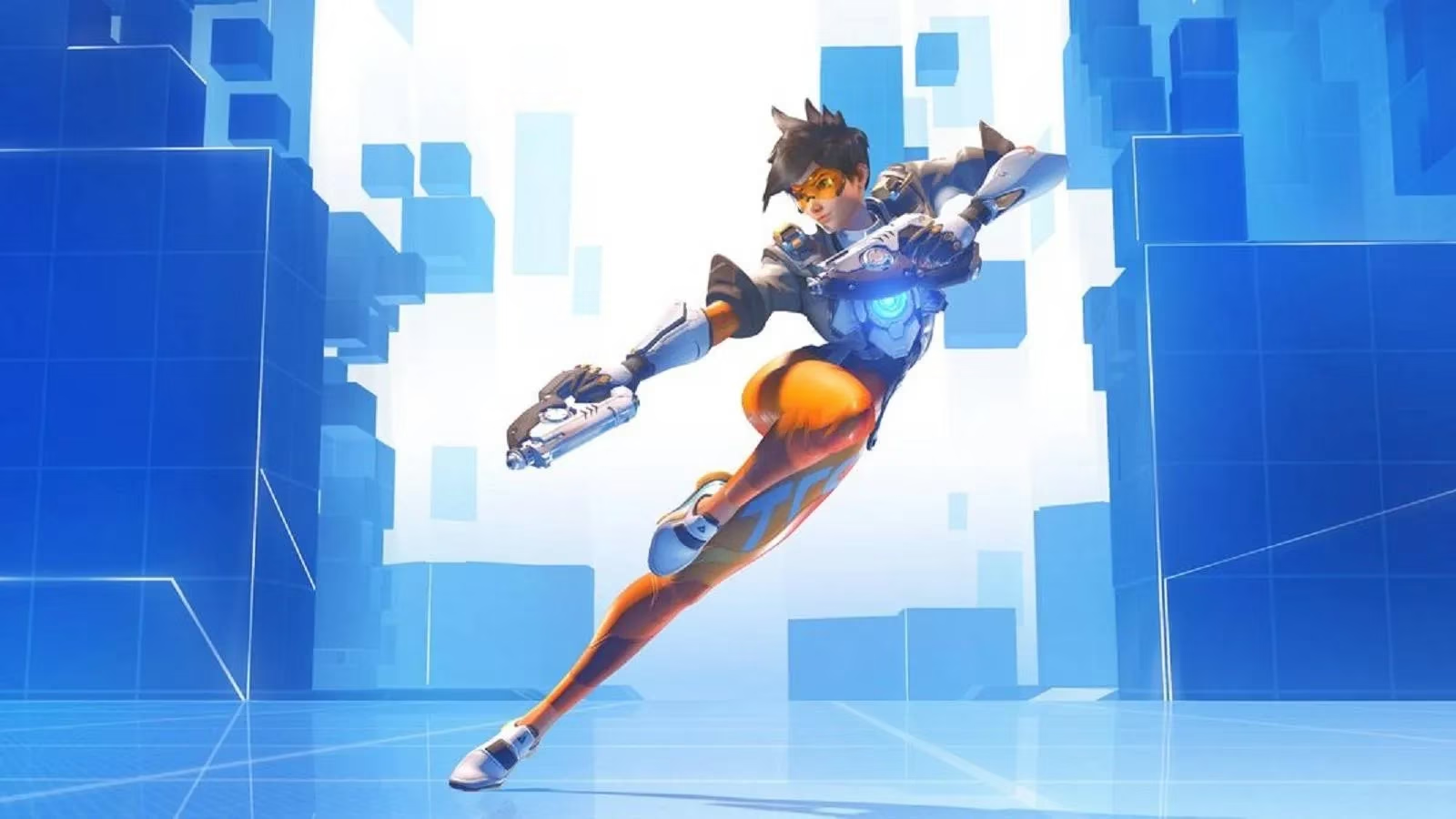
The massive ban wave targeted various forms of rule violations across the game's ecosystem. While cheating was the primary focus, Blizzard also removed accounts engaged in disruptive chat behavior, inappropriate naming conventions, and griefing activities that negatively impacted the multiplayer experience. These bans affected players across all game modes, not just the competitive ladder where fair play is particularly crucial.
"Our commitment to maintaining game integrity has never been stronger," stated a Blizzard representative during yesterday's quarterly community update. "The Defense Matrix task force has been instrumental in identifying malicious accounts, working alongside our community reporting system to create a more enjoyable environment for everyone."
Advanced Detection Methods
Blizzard's approach to combating cheaters has evolved significantly since 2022. The company now employs sophisticated algorithms powered by machine learning to identify suspicious behavior patterns that might indicate cheating. This technological advancement represents a significant step forward in the ongoing battle against those who seek to gain unfair advantages.
Particularly noteworthy is the company's stance on guilt by association. Players who consistently benefit from teammates' cheating behaviors—even without directly engaging in cheating themselves—have found themselves caught in the ban wave. This controversial but effective approach aims to discourage the formation of teams that knowingly leverage a cheater's unfair advantage.
The text chat system has also undergone modifications as part of these security measures:
-
Complete removal of the unfiltered text chat option
-
Retention of only "mature" and "friendly" filter options
-
Implementation of better keyword detection systems
Community Impact and Response
With an average daily player count of approximately 1.57 million users, the removal of 250,000 accounts represents a significant percentage of the overall player base. However, most legitimate players have responded positively to the changes.
"Finally!" wrote competitive player DarkShadow88 on the official forums. "Queue times might increase slightly, but I'd rather wait an extra minute than deal with aimbots and wallhacks every third match."
The ban wave aligns with Blizzard's stated core principles:
-
Fair is Fun: Ensuring competitive integrity across all game modes
-
Safe and Inclusive Social Experience: Reducing toxic behavior that drives players away
Ongoing Challenges
Despite this massive action, industry experts acknowledge that the cat-and-mouse game between developers and cheaters continues. Some sophisticated cheating methods may still evade detection, as evidenced by similar challenges faced by Activision's Ricochet anti-cheat system in other titles.
This latest purge represents the largest single ban wave since Overwatch 2's launch. While previous efforts in 2025 targeted smaller groups of offenders, this comprehensive approach demonstrates Blizzard's renewed commitment to game integrity.
What's Next for Overwatch 2
Looking ahead, Blizzard has announced plans to further strengthen its anti-cheat systems. The company is investing in:
-
Real-time detection improvements
-
Enhanced community reporting tools
-
Stricter penalties for repeat offenders
-
Improved appeal processes for false positives
The development team has also hinted at upcoming balance changes for several heroes, with particular attention to Roadhog's long-awaited rework scheduled for the next major update.
For legitimate players, these changes promise a healthier competitive environment. While the free-to-play model will always present certain challenges compared to the paid barrier of entry that the original Overwatch enjoyed, these aggressive enforcement actions demonstrate that Blizzard remains committed to maintaining the game's integrity.
Overwatch 2 continues to evolve as one of the premier team-based shooters available across PC, PlayStation, Xbox, and Nintendo Switch platforms. With these security improvements and upcoming content updates, the game appears positioned for a strong 2026 despite increasing competition in the hero shooter genre.
As one Blizzard developer noted during last month's community stream: "Creating a fair playing field isn't just about game balance—it's about ensuring everyone plays by the same rules. That's the foundation of any competitive experience worth having."