
Overwatch 2 meta and balance philosophy have evolved dramatically, transforming competitive gameplay and hero diversity since Season 3.
Four years have passed since Director Aaron Keller declared Season 3's balance as "the best it's been since the launch of Overwatch 2," and the game's meta has undergone numerous transformations since then. Looking back at those pivotal early decisions helps us understand how Overwatch 2 evolved into the competitive phenomenon it is today in 2026. Those early balance philosophies set precedents that continue to influence the game's development approach.
The Tank Meta Revolution
Remember when Wrecking Ball dominated the tank lineup? That hamster ball of destruction was practically in every match during Season 3, causing players to flood forums with complaints about his perceived overpowered status. The dev team's cautious approach to nerfing him paid off in the long run.
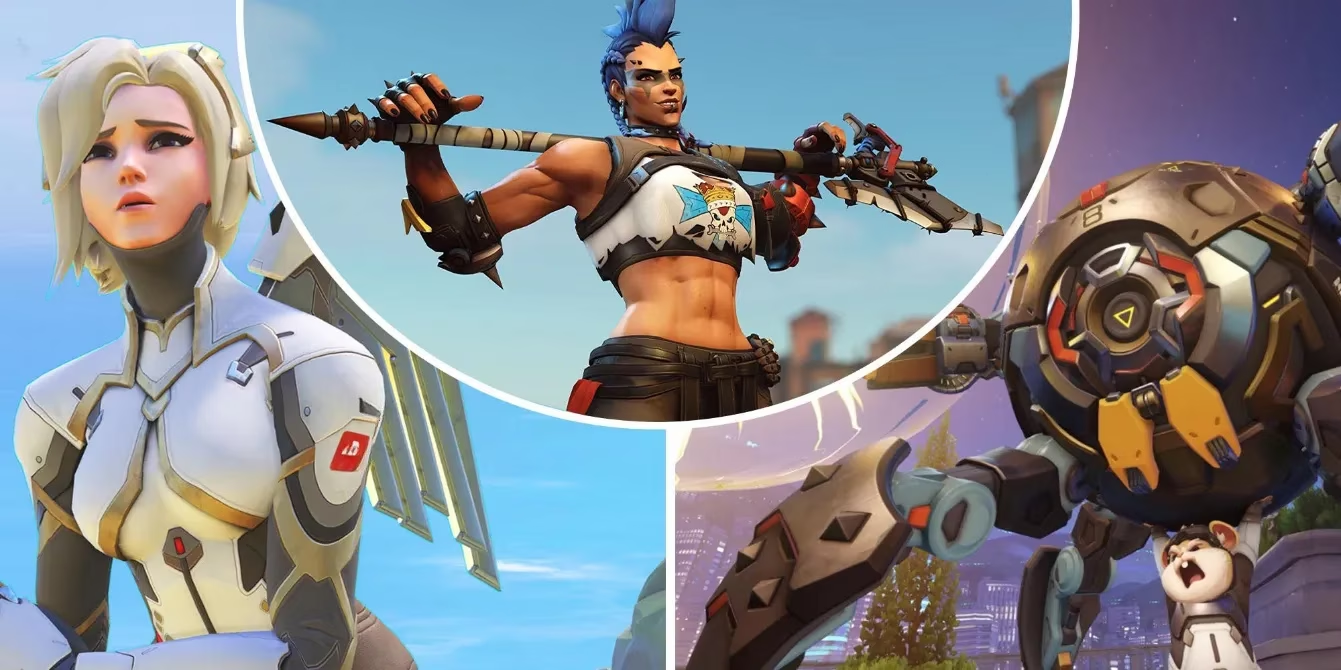
Tanks have always been the backbone of team composition, and the current meta reflects how far we've come. The introduction of three new tank heroes since 2023 has created a remarkably diverse tank selection pool. No longer do we see one tank dominating across all skill tiers - instead, counter-picking has become essential at higher ranks, while lower tiers enjoy experimenting with various playstyles.
The Cassidy Conundrum
Season 3 was infamously dubbed the "season of Cassidy" - a title that makes veterans chuckle considering the current state of DPS heroes. Back then, Cassidy appeared in an astonishing 30% of matches on both teams! This level of hero saturation seems unimaginable now with the expanded roster and sophisticated balance mechanisms.
The Cassidy situation taught the development team valuable lessons about hero dominance:
-
🎯 Power spikes can dramatically shift pick rates overnight
-
🔄 Player perception often lags behind actual balance changes
-
💪 Small tweaks can have outsized impacts across different skill tiers
Balance Philosophy Evolution
The Overwatch 2 team's decision not to implement balance changes before the mid-season patch in Season 3 marked a turning point in their approach. This patient methodology has evolved into the current quarterly balance cadence with emergency hotfixes only for truly game-breaking issues.
Some key stats from Season 3 that influenced this approach:
-
Pharah, Tracer, and Widowmaker all saw increased play after balance updates
-
Even Sombra, considered underpowered, experienced a boost in selection
-
The overall hero diversity increased significantly across all roles
Matchmaking Refinement
The matchmaking changes announced in January 2023 were just the beginning of what would become one of Overwatch 2's greatest strengths. By prioritizing DPS skill parity over the previous system (which matched DPS players against tank players of similar skill), the foundations were laid for today's sophisticated team balancing algorithm.
The trade-off between queue times and match quality remains a delicate balance:
| Year | Innovation | Primary Benefit | Trade-off |
|---|---|---|---|
| 2023 | DPS skill matching | Better skill delta | Longer unranked queues |
| 2024 | Role performance weighting | More balanced teams | Slightly higher SR variance |
| 2025 | Dynamic queue adjustment | Adapts to player population | Occasional role restrictions |
| 2026 | AI-assisted matchmaking | Predicts team synergy | Learning curve for new system |
The Support Evolution
Looking back at Season 3, it's fascinating to see how the development team was already considering reworking DPS heroes into supports. This vision eventually materialized with three former DPS characters transitioning to support roles, dramatically changing the game's dynamics.
Support heroes now enjoy unprecedented popularity, a far cry from the days when queue times for damage dealers were exponentially longer than for healers. The role's evolution from pure healing to utility and playmaking has attracted players who previously avoided the position.
Community Impact
The community's role in shaping Overwatch 2 cannot be overstated. From the early days of Season 3 to now, player feedback has been instrumental in guiding balance decisions. The introduction of the Community Balance Council in 2024 formalized this relationship, giving dedicated players direct input into balance discussions.
What's Next for Overwatch 2?
As we look ahead to the remainder of 2026, several exciting developments are on the horizon:
-
🌟 The rumored "role-flex" system allowing limited cross-role abilities
-
🏆 Expanded tournament systems with regional qualifiers
-
🛠️ More extensive workshop tools for community-created content
-
🤖 Additional PvE experiences building on the story foundation
The journey from Season 3's cautious balance approach to today's dynamic meta showcases how Overwatch 2 has matured. Players no longer fear a single hero dominating matches for entire seasons, and the development team has built robust systems to maintain competitive integrity while still allowing for exciting meta shifts.
Whether you're a tank main bulldozing the frontline, a DPS player seeking the perfect elimination, or a support keeping your team alive through impossible odds, Overwatch 2 in 2026 offers more viable playstyles than ever before. And to think it all started with careful decisions about Wrecking Ball and Cassidy back in Season 3!