
Overwatch 2 meta evolution and team compositions deliver thrilling, adaptable gameplay for ranked players and strategy enthusiasts alike.
It's hard to believe we're approaching the four-year mark since Overwatch 2 launched. Looking back at how the game has transformed since 2022, I'm amazed at the journey we've all taken together. From the introduction of heroes like Ramattra, Kiriko, and Sojourn to the addition of maps like New Queen Street and Paraiso, the game has continuously evolved. But nothing changed the gameplay dynamics more than the shift from 6v6 to 5v5. As someone who's been grinding ranked matches since day one, I've witnessed firsthand how these changes reshaped the meta landscape of Overwatch 2.
The Dance of Team Compositions
Have you ever wondered what truly defines a meta in a hero shooter like Overwatch 2? It's not just about picking the strongest heroes—it's about creating synergistic team compositions that execute specific strategies effectively.
Take the Dive composition, for example. This strategy has been my bread and butter since the original Overwatch. There's something exhilarating about coordinating with your team to swoop down on unsuspecting support players before they even realize what hit them.
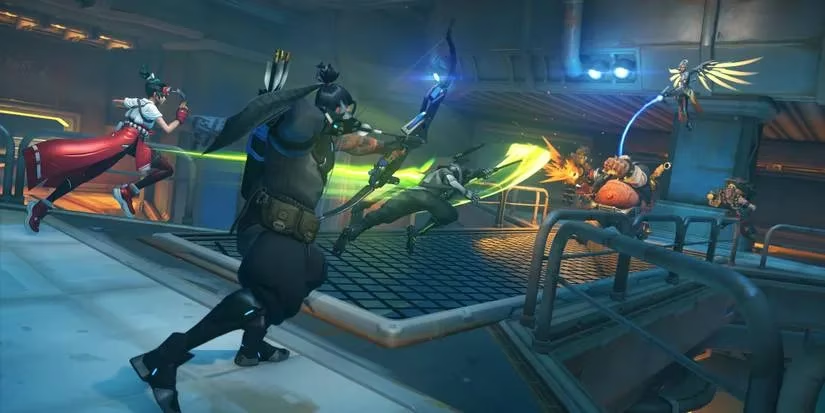
The beauty of Overwatch 2 lies in its flexibility—I can switch heroes mid-match to counter the enemy's strategy. This dynamic adaptation is what keeps me coming back after all these years.
Dive Meta: Old Dog, New Tricks
The Dive composition has remained a constant through Overwatch's evolution, but it's fascinating to see how it's adapted. Back in 2022, Mercy was essential to any Dive comp with her mobility and resurrection ability. Fast forward to 2026, and Kiriko has completely taken over that role.
Why the switch? Kiriko simply offers better healing output and her Swift Step provides more reliable mobility than Mercy's Guardian Angel ever could. I've saved countless teammates with a well-timed Protection Suzu—something that's far more valuable than waiting to resurrect them after they've already died.
My typical Dive setup now includes:
-
Tank: Winston or D.Va
-
DPS: Genji and Tracer (occasionally Sombra for those pesky defensive setups)
-
Support: Kiriko and Lucio
Lucio's speed boost remains invaluable for coordinating those lightning-fast engagements. Nothing feels better than wall-riding into position, boosting my team's speed, and watching as we dismantle the enemy backline in seconds.
The Poke Composition: Keep Your Distance
Wouldn't it be nice to win fights before they even begin? That's the philosophy behind the Poke composition—a strategy I gravitate toward when facing aggressive teams.
Sigma forms the backbone of this setup, creating safe spaces with his barrier while dealing consistent damage from afar. I pair him with long-range supports like Zenyatta and Baptiste, who can both heal and contribute significant damage.
For DPS, I typically select:
-
Widowmaker
-
Hanzo
-
Ashe
The key to success with this composition is positioning. Find high ground, establish control, and make the enemy team pay for every step they take toward the objective. The downside? Mobility. When we're forced to reposition quickly, this composition struggles—something I've learned the hard way on more dynamic maps.
Brawl: The Frontline Slugfest
When I'm feeling particularly aggressive, nothing satisfies quite like a good Brawl composition. This strategy involves meeting enemies head-on and overwhelming them through sheer force.
Junker Queen dominated this meta when she first released, and she remains strong in 2026. Her Adrenaline Rush and Commanding Shout allow her to sustain through incredible amounts of damage. Alternatively, Reinhardt's reliable shield and devastating hammer swings make him another excellent choice.
Ana serves as the perfect support for Brawl comps. Her biotic rifle allows her to heal from a safe distance, and her sleep dart can shut down enemy ultimates or create openings for our team to capitalize on.
My favorite DPS picks for Brawl include:
-
Cassidy
-
Soldier: 76
-
Mei
Each brings consistent damage output along with self-sustain abilities—critical for prolonged point fights.
The Meta Evolution: What's Changed Since 2022?
Remember GOATS? That infamous composition from the original Overwatch featuring three tanks and three supports? It completely negated the need for DPS heroes and dominated the professional scene.
With role queue now firmly established and the 5v5 format limiting teams to a single tank, such compositions are relics of the past. The current meta revolves primarily around variations of Dive, Poke, and Brawl—each with its own strengths and weaknesses.
What's exciting about Overwatch 2 in 2026 is that the meta continues to evolve. With each new hero release and map addition, we see subtle shifts in preferred compositions and strategies. Who knows what new meta might emerge next month?
Adapting to the Current Meta
As a competitive player, I've learned that understanding the meta is only half the battle—adapting to it is where true skill shines. Sometimes that means playing heroes I'm less comfortable with because they fit the team composition better.
Here's my advice for anyone looking to climb in today's ranked environment:
-
Master at least one hero from each meta type: Having flexibility allows you to adapt to your team's needs
-
Communicate your intentions: Meta compositions only work when everyone understands their role
-
Study professional matches: The Overwatch League continues to showcase innovative strategies worth adopting
-
Be willing to switch: Sometimes countering the enemy team is more important than sticking to the meta
Looking Ahead
What does the future hold for Overwatch 2's meta? That's the question on everyone's mind as we approach the game's fourth anniversary. With rumors of new heroes on the horizon and balance patches released regularly, I expect we'll continue to see the meta evolve in exciting ways.
Will we see the return of double-shield compositions? Probably not. Will Dive continue to dominate high-level play? That depends on how future heroes interact with existing mobility options.
One thing's for certain—Overwatch 2 in 2026 is as dynamic and exciting as ever. Whether you prefer the calculated precision of Poke, the aggressive pressure of Brawl, or the coordinated chaos of Dive, there's a playstyle that suits you.
So what's your favorite composition? Have you found success with strategies outside the established meta? The beauty of Overwatch 2 lies in its endless possibilities for creativity and adaptation. See you on the battlefield!