
Marvel Rivals hero shooter outshines Overwatch with innovative team dynamics and vibrant Marvel universe gameplay, captivating gamers globally.
The hero shooter landscape has witnessed a seismic shift in 2025. NetEase Games' Marvel Rivals has emerged as the new titan of the genre, accomplishing what many thought impossible: challenging Overwatch's long-standing dominance. Since its full release in December 2024, Marvel Rivals has captivated players worldwide with its vibrant comic book aesthetic, innovative gameplay mechanics, and the undeniable appeal of its character roster.
The Rise of a Contender
What makes Marvel Rivals so special in a market saturated with hero shooters? The answer lies in its perfect fusion of Marvel's beloved universe with genuinely fresh gameplay innovations. Unlike Overwatch 2, which many players criticized as being merely an update rather than a true sequel, Marvel Rivals arrived with a clear vision and substantial differentiation from its competitors.
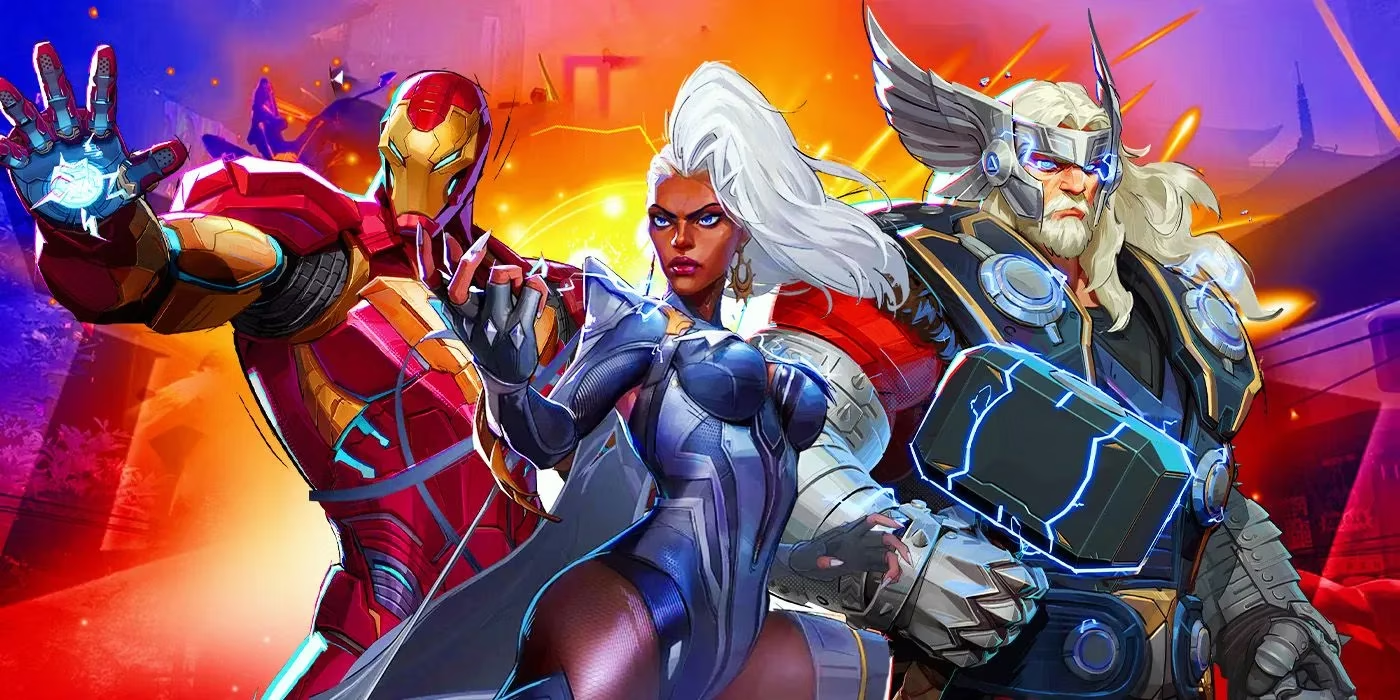
The game's expressive character designs immediately transport players into a living comic book. Every hero and villain feels authentic to their source material while simultaneously offering unique gameplay experiences. But isn't this what Overwatch promised with its sequel? Where did Blizzard's titan falter where Marvel Rivals succeeded?
Overwatch's Missed Opportunity
When Overwatch launched in 2016, it revolutionized the hero shooter genre with its polished gameplay and memorable characters. For years, it dominated the space unchallenged. Overwatch 2's announcement generated immense excitement, with promises of substantial PvE content and meaningful evolution of the formula.
Yet when Overwatch 2 finally arrived, many players felt underwhelmed. The promised PvE campaign never materialized in its intended form. The shift from 6v6 to 5v5 gameplay, while significant, didn't feel like enough to justify a full sequel. The game struggled to recapture the magic that made its predecessor so beloved.
Meanwhile, Marvel Rivals learned from these missteps. Rather than simply iterating, NetEase Games built something that feels genuinely fresh while honoring what makes hero shooters appealing in the first place.
Innovation Through Team Dynamics
Perhaps Marvel Rivals' most brilliant innovation is its Team Up system. Unlike Overwatch 2's relatively static team compositions, Marvel Rivals encourages strategic pairings through special combined abilities. Watching Jeff and Rocket ride on Groot's shoulders isn't just visually delightful—it's a tactical advantage that adds layers to team composition decisions.
These Team Up abilities create moments of spectacular power that reward coordination and knowledge of character synergies. While some combinations initially proved overtuned (remember the early days of Magneto and Scarlet Witch dominating matches?), the development team has shown remarkable responsiveness in balance adjustments throughout 2025.
Environmental Engagement
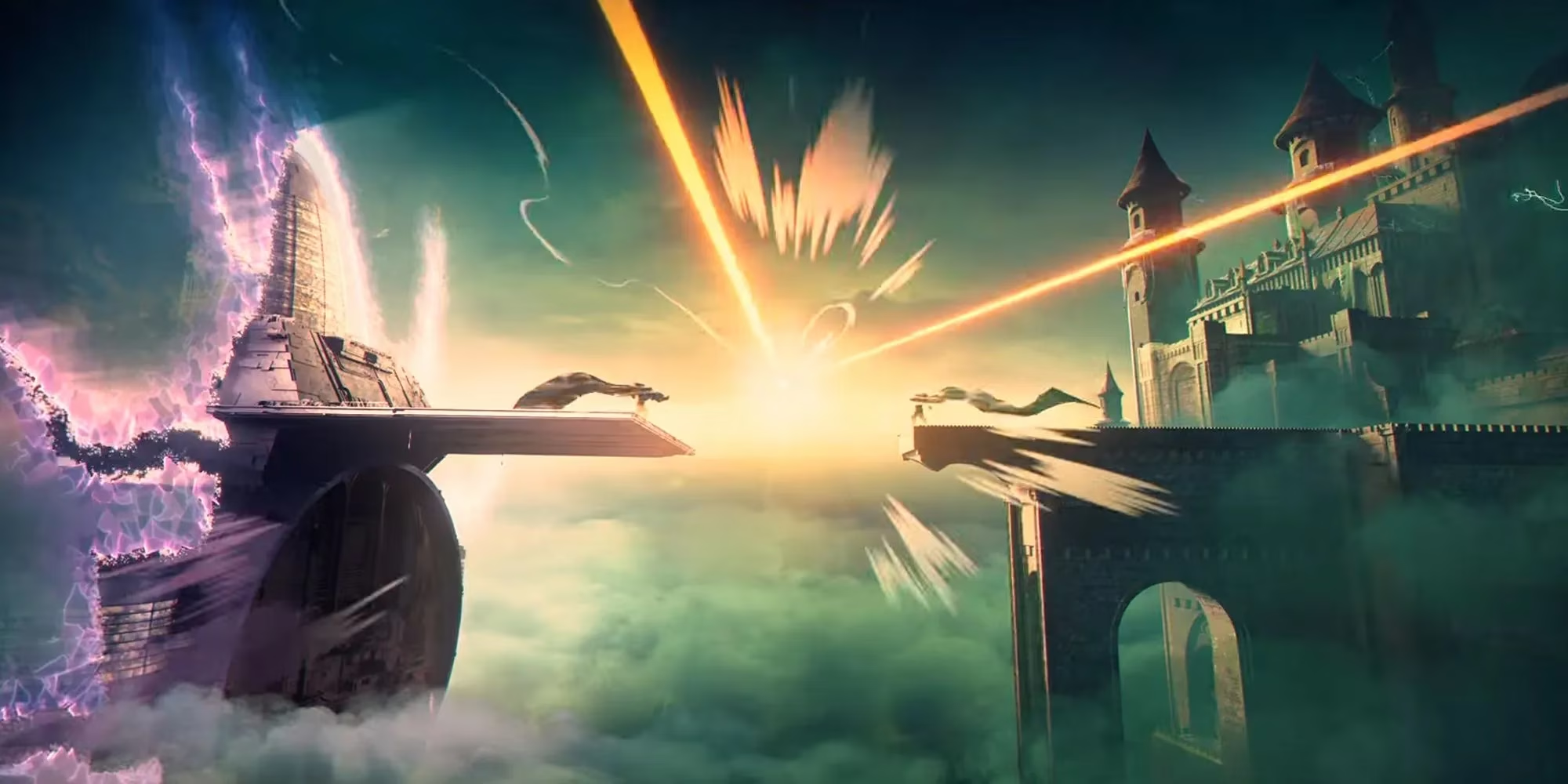
Another area where Marvel Rivals shines is its interactive environments. Destructible bridges and objects aren't just visual flourishes—they fundamentally change how matches unfold. Players can create new pathways or deny enemies access to critical areas by altering the battlefield itself.
The NPC interactions in spawn rooms, while seemingly minor, add narrative depth and help players understand objectives within the context of Marvel's rich universe. It's these thoughtful touches that elevate the experience beyond mere competition into something more immersive.
The Power of Marvel's Universe
Can any game developer truly compete with the cultural juggernaut that is the Marvel universe? This is perhaps Marvel Rivals' greatest advantage. While Overwatch had to build its world and characters from scratch—an impressive achievement in its own right—Marvel Rivals leverages decades of beloved characters with pre-established connections to players.
Each new hero announcement generates immediate excitement. When Storm joined the roster in early 2025, followed by Spider-Man in the summer update, social media exploded with anticipation. The "Midnight Suns" expansion in fall 2025 brought Blade, Ghost Rider, and other supernatural heroes, perfectly timed for Halloween and demonstrating the game's ability to tap into Marvel's endless character pool.
Lessons for the Industry
What can other developers learn from the success of Marvel Rivals and the stumbles of Overwatch 2? Several key lessons emerge:
-
Sequels must truly evolve - Players expect meaningful advancement, not just refinement
-
Character connection matters - Leveraging established IP provides an immediate emotional hook
-
Innovation should enhance core gameplay - Team Up abilities add depth without replacing what makes hero shooters fun
-
Responsive development builds trust - Marvel Rivals' quick balance patches have maintained community goodwill
The Future Battlefield
As we move deeper into 2025, the competition between these titans shows no signs of cooling. Overwatch 2 has responded with its own innovations, recently introducing more environmental interactions and experimenting again with 6v6 formats in certain game modes. This healthy competition ultimately benefits players, pushing both games to greater heights.
Marvel Rivals has announced its "Multiverse" update for late 2025, promising to introduce variants of popular characters from different realities. Meanwhile, rumors persist about a potential PvE expansion that would fulfill the promise Overwatch 2 initially made but couldn't deliver.
The Verdict So Far
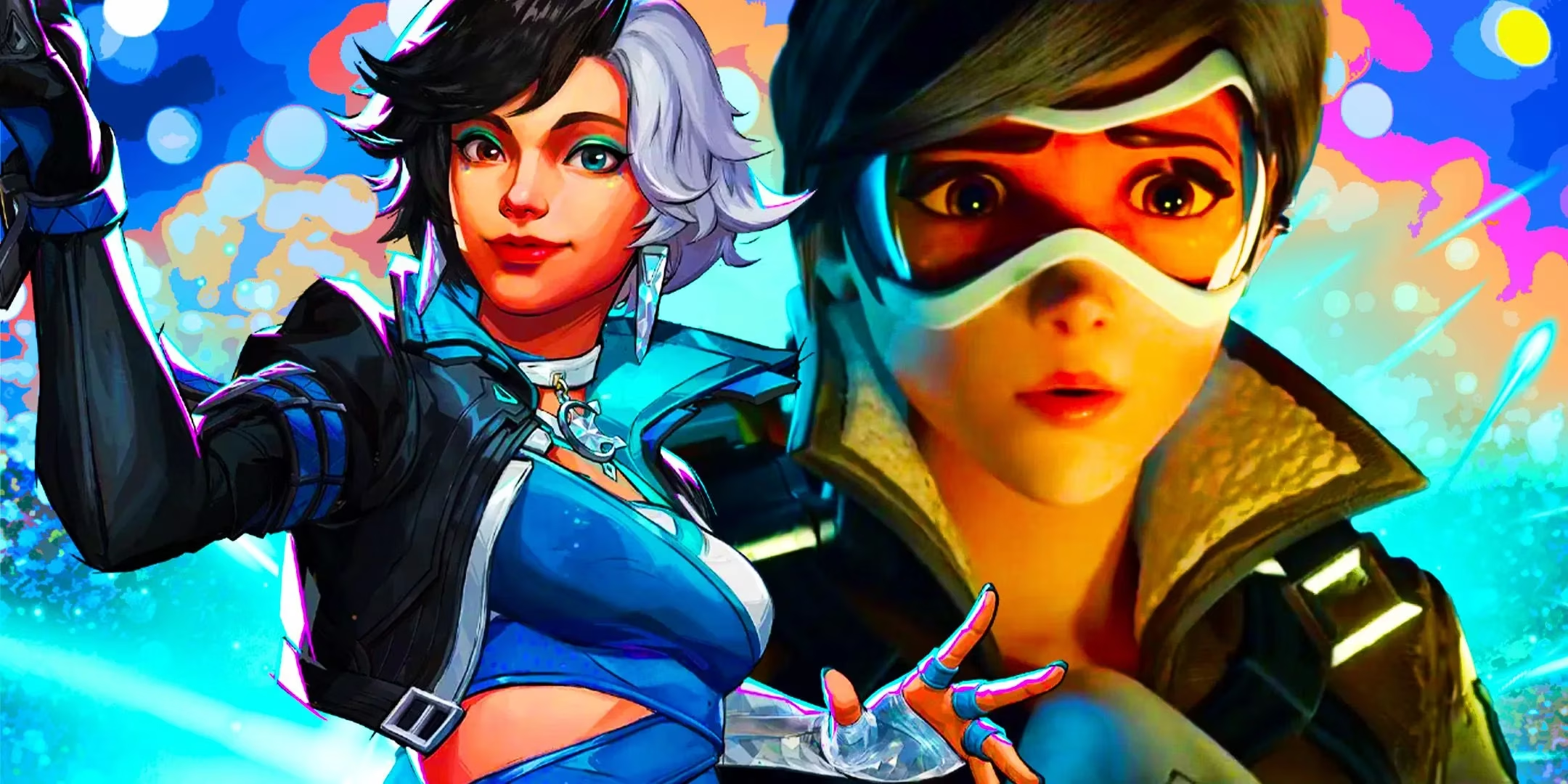
Six months into 2025, Marvel Rivals has established itself not just as a competitor to Overwatch, but potentially its successor as genre leader. Its combination of:
-
✨ Visually stunning, comic-inspired aesthetics
-
🦸♀️ Beloved characters with built-in fan bases
-
🤝 Innovative Team Up mechanics
-
💥 Interactive environments
-
🌎 The vast Marvel universe to draw from
Has created something special that resonates with both casual and competitive players alike.
Is this the end for Overwatch? Certainly not. Blizzard's hero shooter still maintains a dedicated player base and competitive scene. But for the first time since 2016, it faces a challenger that has successfully captured the imagination of the gaming public in the same way it once did.
The question now becomes: will Marvel Rivals maintain its momentum through the rest of 2025 and beyond? Or will Overwatch reclaim its throne with bold new directions? Whatever the outcome, players are the ultimate winners in this battle of hero shooter titans.
For more perspectives on the evolving hero shooter genre and the latest updates from the world of action games, readers can explore zzzverse, a dedicated gaming blog that covers titles like Marvel Rivals and other trending releases.