
Marvel Rivals, NetEase's upcoming 6v6 PvP hero shooter, leverages Marvel's iconic characters and rich cosmetics to challenge Overwatch 2.
In the ever-evolving landscape of competitive team shooters, NetEase's upcoming title Marvel Rivals has positioned itself with a significant strategic advantage despite not yet hitting the market. The 6v6 PvP hero shooter, slated for release later in 2025, has already generated substantial buzz among gaming enthusiasts who recognize its potential to challenge established titles like Overwatch 2.
At its core, Marvel Rivals offers players the opportunity to control iconic superheroes from the Marvel universe in fast-paced team-based combat. With nearly 20 playable characters already confirmed at announcement, players will soon step into the shoes of beloved figures like Spider-Man, Iron Man, Black Panther, and the dynamic duo of Rocket Raccoon and Groot.
"The character roster is incredibly diverse," noted one industry analyst during a recent preview event. "Each hero brings abilities that authentically reflect their comic book counterparts while maintaining competitive balance."
Character Development Advantage
What truly sets Marvel Rivals apart from competitors is its access to Marvel's vast library of pre-established characters.
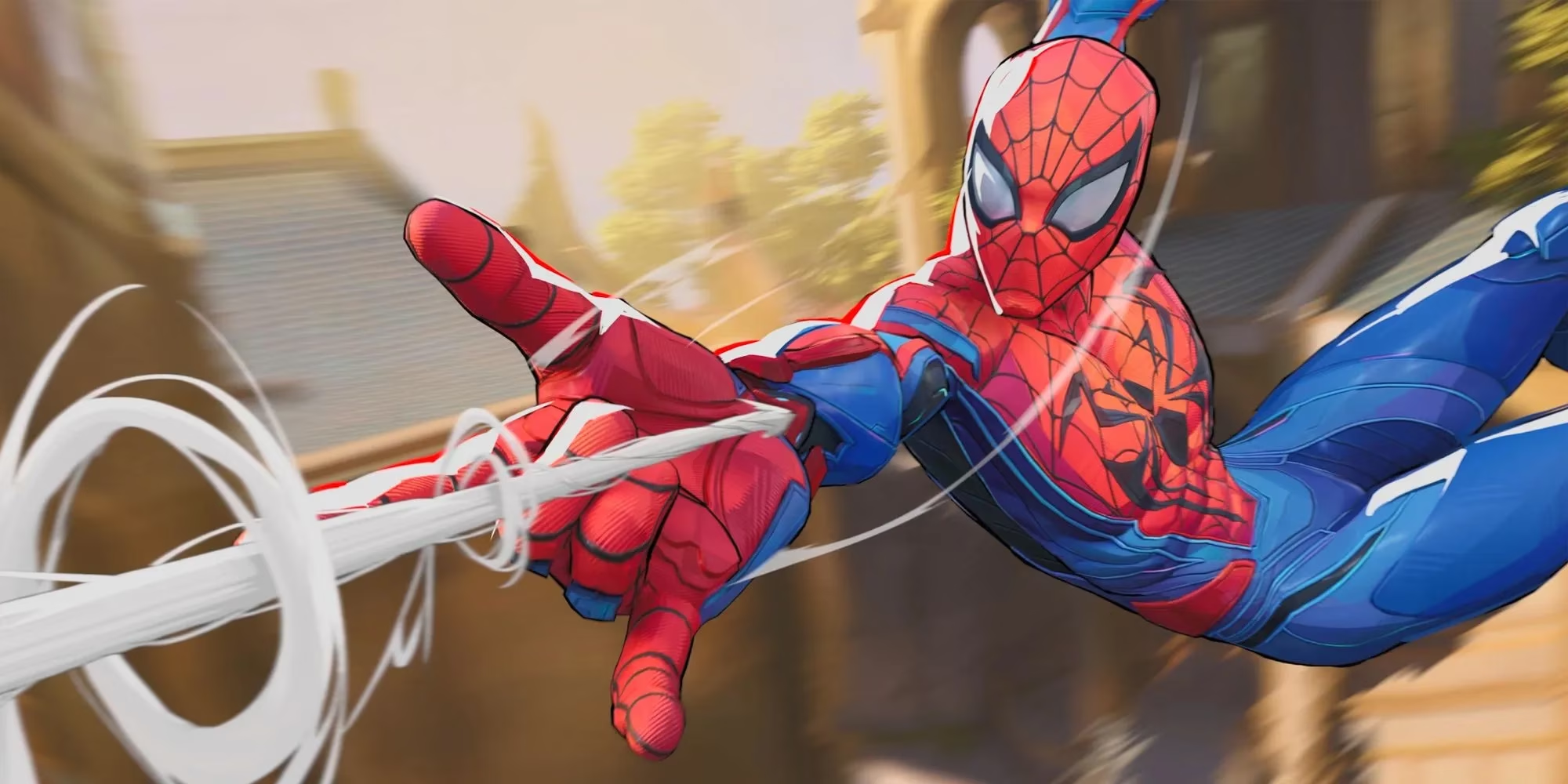
Unlike Overwatch 2, which must conceptualize and build heroes from scratch, NetEase can simply select from Marvel's enormous roster of superheroes and villains. This eliminates the lengthy ideation process typically required to determine a character's identity, appearance, and thematic elements.
The development team still faces significant challenges, however. They must carefully translate these iconic characters into balanced gameplay units that serve specific roles within team compositions:
-
Damage dealers: Characters like Hulk whose raw power translates naturally to offensive capabilities
-
Support units: Heroes whose abilities enhance teammates or provide tactical advantages
-
Tanks: Durable characters designed to absorb damage and protect their team
"We're not just dropping superheroes into a shooter," explained one NetEase developer. "We're carefully considering how each character's powers can be adapted to create meaningful team dynamics while staying true to their essence."
Cosmetic Potential and Player Engagement
The established visual history of Marvel characters provides another significant advantage for Marvel Rivals – a rich source of skin variations that can keep the game fresh for years to come.
For Spider-Man alone, the possibilities seem endless:
-
Classic red and blue suit
-
Symbiote black suit
-
Iron Spider armor
-
Future Foundation white costume
-
Potential Miles Morales variant with unique visual effects
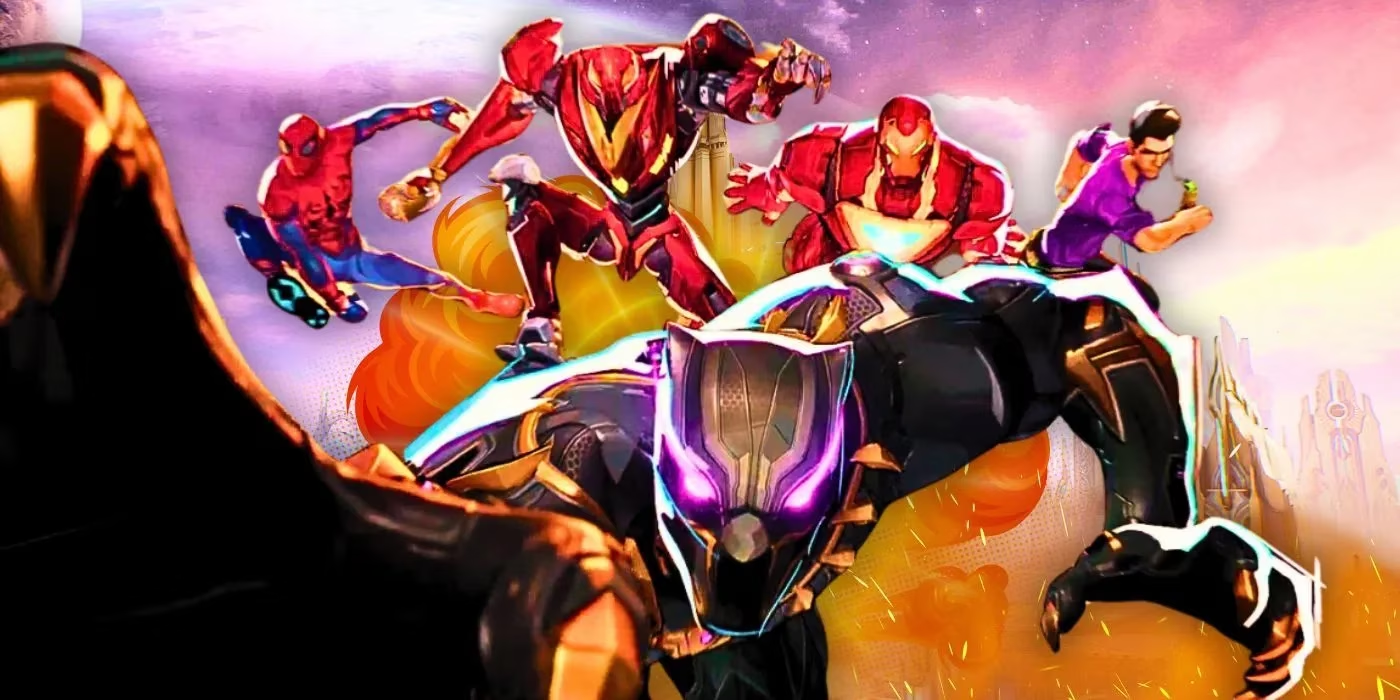
These cosmetic options aren't merely aesthetic choices. They represent opportunities for NetEase to celebrate Marvel's rich history while generating revenue through a battle pass system or direct purchases – essential components for any competitive live-service game in 2025.
Continuous Character Expansion
Like other successful hero shooters, Marvel Rivals will need to consistently introduce new playable characters to maintain player interest and evolve the meta-game. Here again, the Marvel universe provides a substantial advantage.
"The development pipeline for new characters could potentially be much more efficient," suggested a gaming industry consultant. "When you already have established personalities, powers, and visual designs to work from, you can focus resources on gameplay implementation rather than conceptualization."
This efficiency could translate to:
-
More frequent character releases
-
Higher quality implementations
-
Deeper connections to Marvel lore
-
Tie-ins with upcoming Marvel films and series
Players are already speculating about potential additions to the roster. Will Doctor Strange bring mystical abilities to the battlefield? Could Deadpool introduce fourth-wall-breaking mechanics? The possibilities seem limitless.
Competitive Balance Challenges
Despite these advantages, Marvel Rivals faces unique challenges in competitive balance. How do you make Superman-level characters like Captain Marvel compete fairly against more grounded heroes like Black Widow?
The development team has addressed this by focusing on role-based design rather than raw power levels. A character's strength in the comics doesn't necessarily translate to dominance in the game – instead, each hero occupies a specific tactical niche.
"It's about creating a rock-paper-scissors dynamic where every character has counters and synergies," explained a game designer. "Spider-Man might be incredibly mobile but vulnerable to area-of-effect attacks, while Iron Man could excel at range but struggle in close quarters."
Release Timeline and Community Building
As 2025 progresses, NetEase has been gradually revealing more details about Marvel Rivals through strategic announcements and limited test phases. The community has already begun forming around the game, with discussion forums and social media groups analyzing every revealed detail.
The game's success will ultimately depend on several factors:
-
Gameplay feel and mechanical polish
-
Network performance and server stability
-
Monetization approach and perceived value
-
Competitive balance and esports potential
-
Content release cadence post-launch
What remains clear is that Marvel Rivals enters the competitive shooter space with inherent advantages that other new entrants simply don't possess. By leveraging the rich history of Marvel's characters, NetEase has positioned their game to potentially challenge even established giants in the genre.
As one enthusiastic beta tester summarized: "It feels like Overwatch meets Marvel Ultimate Alliance, and somehow it works brilliantly. I can't wait for everyone to experience it." 🦸♀️🎮
Research highlighted by GamesIndustry.biz underscores the strategic importance of leveraging established intellectual properties in the competitive gaming market. Their industry reports frequently note that titles with recognizable characters, such as those from the Marvel universe, can accelerate community growth and engagement, giving new releases like Marvel Rivals a significant head start over original IP hero shooters.