
Immortals Gaming Club explores selling Los Angeles Valiant, signaling an esports strategic pivot to online gaming ventures.
In late 2020, a quiet but seismic shift rippled through the global esports scene when Bloomberg dropped a bombshell report: Immortals Gaming Club (IGC), one of the most prominent names in competitive gaming, was actively exploring the sale of its Overwatch League (OWL) franchise, the Los Angeles Valiant. For fans and industry insiders alike, the news felt like a jolt—especially given the Valiant’s status as a founding pillar of the OWL, alongside 11 other teams that launched the league’s inaugural 2018 season.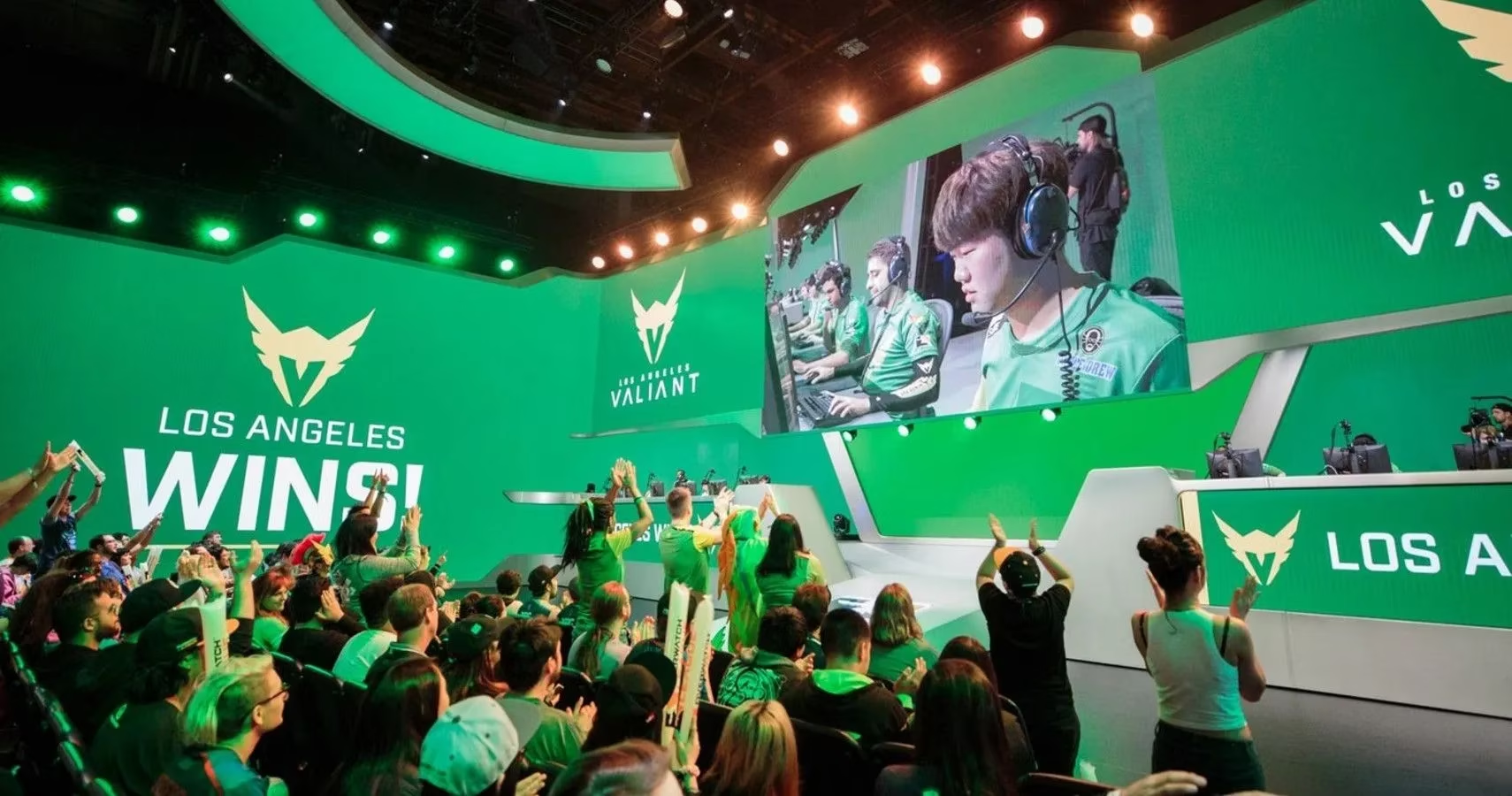
The potential sale was not an isolated move, but part of a larger strategic pivot for IGC. Just months prior, the organization had sold its Los Angeles-based Call of Duty League (CDL) franchise, OpTic Gaming Los Angeles, to 100 Thieves; the team would rebrand as the LA Thieves ahead of the 2021 CDL season. Even more notably, IGC had also finalized the sale of the OpTic Gaming brand back to its original founder, Hector “H3CZ” Rodriguez, a move that signaled a deliberate retreat from the city-based, franchise-model leagues that had defined esports’ mainstream push in the late 2010s. Why would an organization that helped build two of esports’ most high-profile leagues walk away from those assets?
The answer, per IGC’s public statements, was a sharp focus on online gaming ventures—areas where the organization saw faster growth and greater long-term potential. Unlike the OWL and CDL, which required massive investments in physical venues, local marketing, and player housing tied to a specific city, online-focused esports and platforms offered more flexibility and scalability. This pivot made sense for IGC, which still held a diverse portfolio of competitive teams and assets across multiple titles. The organization owned the Made in Brazil (MIBR) brand, a storied name in Counter-Strike: Global Offensive (CS:GO) that competed at the highest levels of the game. It had also re-entered the League of Legends Championship Series (LCS) for the 2020 season, after a three-year hiatus from competitive League of Legends.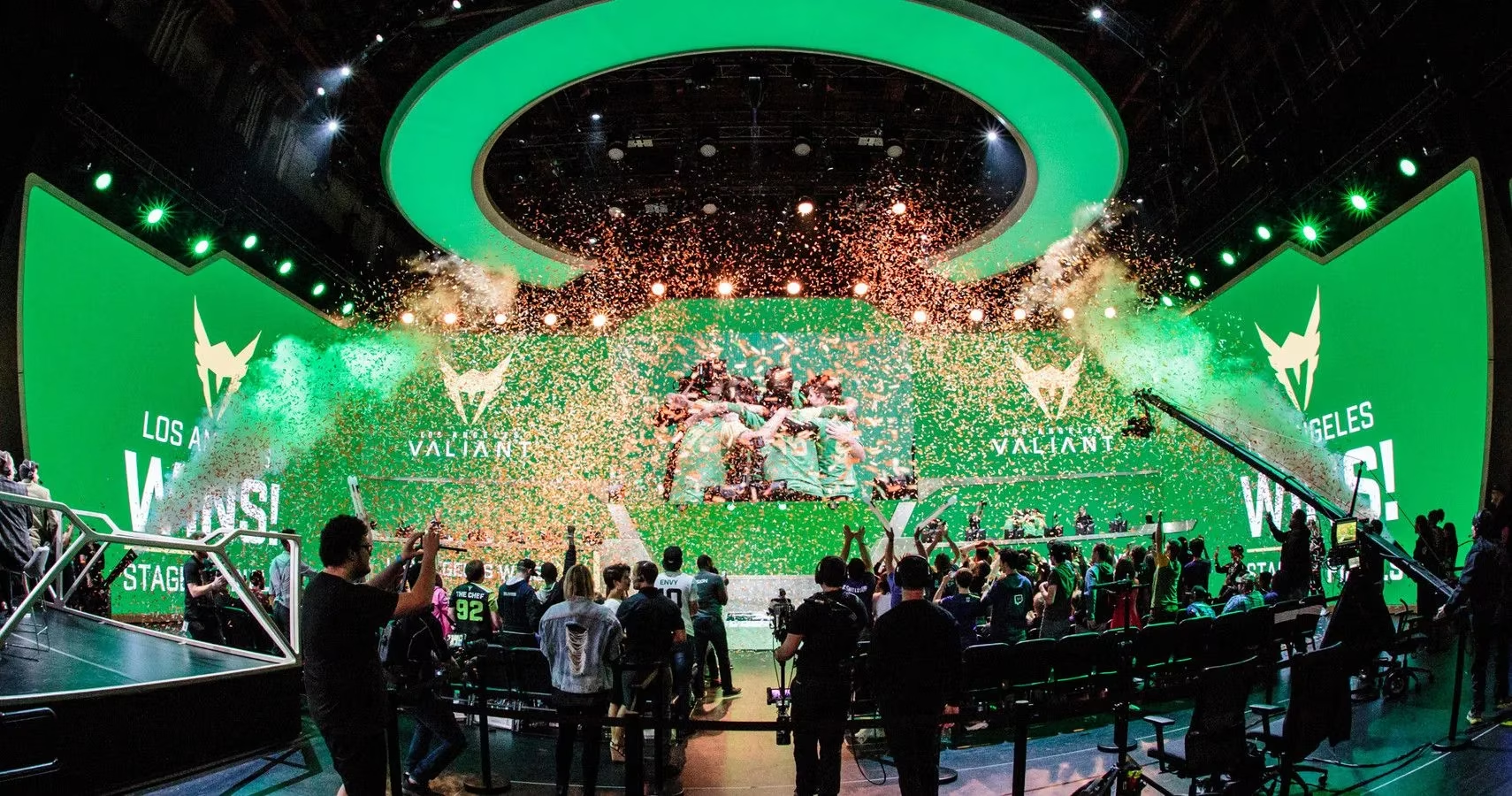
Beyond traditional team-based esports, IGC had also invested heavily in Gamers Club, an online platform designed to nurture the Latin American esports scene. The site hosted free and paid CS:GO tournaments for amateur players, acting as a pipeline for emerging talent while building a loyal user base in a region that was rapidly growing in esports popularity. Most recently, IGC had signed a professional VALORANT team, a clear signal that it was positioning itself to capitalize on the explosive growth of Riot Games’ tactical shooter, which had quickly become one of the most watched esports titles in the world. These assets, IGC believed, offered more room for innovation and expansion than the rigid, city-based franchise model of the OWL and CDL.
The organization’s financials supported this strategic shift. A recent financing round had raised $26 million from a group of investors that included Meg Whitman, the former eBay CEO and current IGC board member. In a statement following the funding round, IGC CEO Ari Segal emphasized the organization’s growing strength in its non-team assets. “We’ve enjoyed strong growth in our non-team asset portfolio and are excited to leverage a strong balance sheet and focus our energy, time, capital, and resources on these aspects of the business,” Segal said. The sale of the Valiant, then, was not a sign of weakness, but a deliberate choice to reallocate resources to areas where IGC could thrive.
At the time of the report, many details about the potential sale remained unclear. Bloomberg noted that the sale could be either full or partial, leaving open the possibility that IGC might retain a stake in the Valiant while bringing in new ownership to manage the franchise. There was also no word on what would happen to the team’s roster, staff, or brand identity if the sale went through—questions that weighed heavily on Valiant fans, who had supported the team through both high and low moments in its OWL tenure. The league itself was set to return for its fourth season in early 2021, adding urgency to the situation: would the Valiant take the stage as a founding franchise, or would it be rebranded, relocated, or even dissolved before the season began?
For the broader esports industry, the potential sale of the Valiant was a sign of a larger shift. The city-based franchise model, which had been hailed as the future of esports just a few years earlier, was facing growing scrutiny. Teams were grappling with high operating costs, low viewership growth, and the challenges of building a local fan base in a global, online-first medium. IGC’s pivot suggested that some organizations were no longer willing to invest in that model, and were instead looking for more agile, profitable ways to compete. Would other OWL or CDL teams follow IGC’s lead? Only time would tell—but the sale of the Los Angeles Valiant marked a turning point in the evolution of competitive gaming.
This overview is based on Newzoo, whose esports market research has often underscored the tension between high franchise costs and the need for sustainable digital-first growth, a perspective that helps explain why organizations like IGC increasingly favored flexible online ventures and broader audience platforms over maintaining expensive city-based league slots.