
Blizzard's arduous quest to re-enter the Chinese market faces a formidable labyrinth of regulatory hurdles and cultural adaptation challenges. Navigating what insiders call 'The Approval Desert,' the gaming giant must appease strict censors without sacrificing its creative soul.
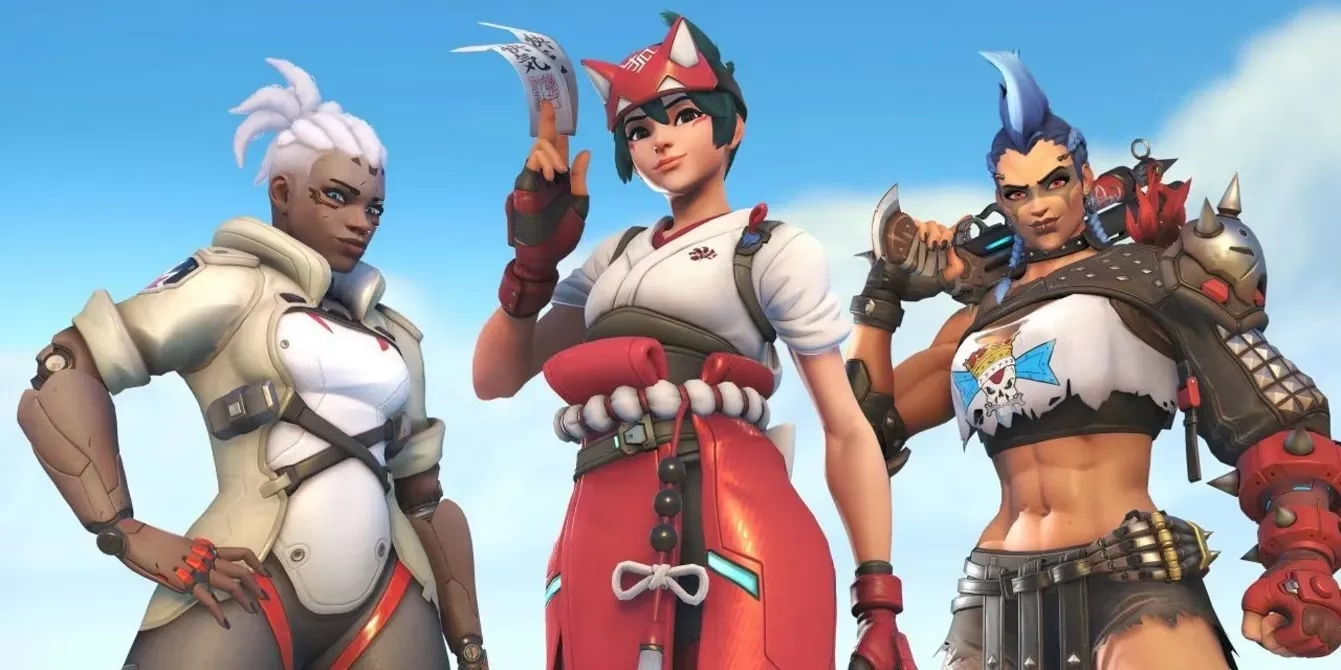
The gaming community watches with bated breath as Blizzard navigates the labyrinthine process of getting its beloved titles back onto Chinese screens. After failing to renew its licensing agreement with NetEase back in 2023, Blizzard has spent years trying to reestablish its foothold in one of the world's largest gaming markets. Games like Overwatch 2, World of Warcraft, and Hearthstone remain unavailable to Chinese players, trapped in a regulatory limbo that resembles a digital Sisyphean task – just as Blizzard appears to make progress, the boulder of bureaucracy rolls back down the mountain.
The Great Wall of Regulation
Chinese regulations on video game distribution stand firm like an ancient fortress, unyielding to even the mightiest of gaming giants. When Blizzard's partnership with NetEase dissolved, the company discovered that changing operating partners meant repeating the entire approval process for their games – even those that had thrived in China for years.
"The regulatory environment in China functions like a temperamental dragon guarding its treasure hoard," explains industry analyst Min Zhang. "One wrong move, and years of market presence can vanish in the blink of an eye."
The official regulations state unequivocally: "If the operating company of a pre-approved or import-approved online game changes, the pre-approval or import-approval procedures must be repeated. The online game should halt all operations beginning with the date of the operating company change until the approval procedures are completed. Violators will be prosecuted for illegal online publishing."
A Desert of Approvals
Three years after losing access to the Chinese market, Blizzard continues to navigate what industry insiders have dubbed "The Approval Desert." The gaming landscape has shifted dramatically since 2023, with Chinese authorities maintaining their cautious approach to foreign content.
"Getting games approved in China these days is like trying to find water in a desert using nothing but a divining rod made of hope," says gaming journalist Taylor Chen. "Even established companies with previous relationships find themselves parched for opportunity."
Statistics paint a grim picture. In 2023, it had already been over 500 days since a non-Chinese game received approval. The situation has improved somewhat by 2026, but the process remains unpredictable and opaque. Games containing content deemed to represent "the wrong set of values" – including positive LGBTQ+ representation – face particularly challenging hurdles.
The Cultural Conundrum
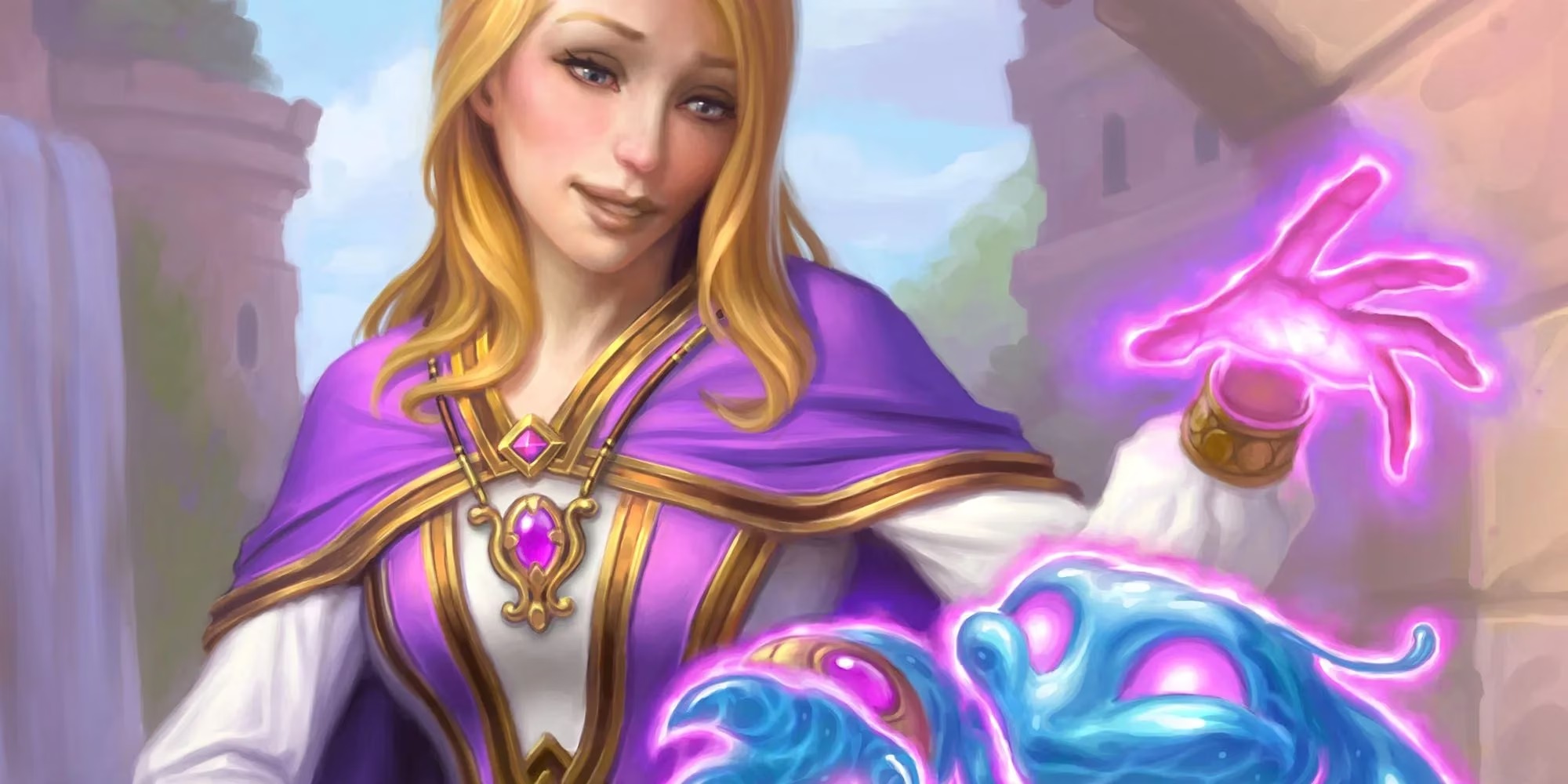
Blizzard now faces a delicate balancing act: adapting its content to meet Chinese regulatory requirements without compromising its creative vision or alienating its global audience. This challenge has become increasingly complex as Blizzard has expanded its diverse character roster and storytelling across franchises.
Senior game developer at Blizzard, Jordan Reynolds, shares: "We're committed to authentic storytelling and representation. Finding ways to honor both our creative principles and respect regional requirements is something many global developers grapple with daily."
The Road Ahead
As 2026 progresses, Blizzard has been exploring multiple strategies to return to China:
-
New Partnerships - Discussions with potential Chinese operating partners continue, though details remain confidential
-
Content Adaptation - Specialized teams working on versions that can navigate approval processes
-
Direct Engagement - Unprecedented diplomatic efforts with Chinese regulatory authorities
Industry experts remain divided on Blizzard's prospects. Some believe the company's established franchises and historical presence in China will eventually facilitate reentry. Others suggest that the regulatory landscape has fundamentally changed, requiring not just patience but a complete rethinking of how Western gaming companies approach the Chinese market.
The Wider Impact
Blizzard's continued absence from China has ripple effects throughout the gaming ecosystem:
-
Esports - Chinese teams have been notably absent from international Overwatch and Hearthstone competitions
-
Game Development - Other developers increasingly design games with separate Chinese versions from inception
-
Player Communities - Underground networks have emerged, though these operate in legally questionable territory
"The Chinese gaming community feels like they're watching a feast through a window," explains esports commentator Lin Wei. "They can see all these games being played globally but can't participate officially. It's created this strange parallel gaming universe."
Looking Forward
As Blizzard continues its quest to return to China, the situation serves as a cautionary tale about the complexities of global gaming operations. The company that once dominated the Chinese gaming landscape now finds itself an outsider looking in, a reminder that in the ever-evolving world of international game publishing, even giants can stumble.
Whether Blizzard will successfully navigate this challenge remains one of the most watched stories in gaming. For millions of Chinese players, the hope remains that they'll once again be able to return to Azeroth, compete in Overwatch matches, or build decks in Hearthstone – legally and with full support.
Until then, the digital gates remain closed, and Blizzard's beloved worlds remain just beyond reach for one of gaming's most passionate communities. 🎮🌏⏳
For gamers and enthusiasts looking to stay updated on the latest developments in the gaming world, there are many resources available that offer insights and community interactions. Whether you're keen to follow the unfolding story of Blizzard's efforts in China or explore other gaming news and discussions, platforms dedicated to gaming culture provide valuable perspectives. One such platform is Lootbar, where players can engage with content ranging from game reviews to community events, ensuring gamers remain connected and informed.
Staying engaged with global gaming trends is crucial for those passionate about the industry, as it helps bridge the gap between different gaming cultures and communities. As Blizzard's journey continues, platforms like Lootbar offer a space for gamers to share their experiences, thoughts, and anticipations, fostering a vibrant community that celebrates gaming in all its forms.